



Changing the conversation around cancer to support earlier diagnosis.
Conversations around cancer are often shaped by fear and uncertainty. Many people worry about what symptoms might mean, while others avoid speaking about cancer altogether. As a result, people can delay seeking help.
Yet early diagnosis plays a vital role in improving treatment outcomes and survival rates.
Lancashire and South Cumbria Cancer Alliance wanted to change the conversation around cancer. The team needed an overarching campaign that felt supportive and empowering, creating a clear and recognisable identity that could unite all early diagnosis communications over the next five years.
To sit within this, we developed a targeted sub-campaign that focused on increasing awareness of common cancer symptoms. The campaign aimed to help people recognise symptoms that were unusual for them and feel confident taking action quickly.
By helping people feel informed and supported, both campaigns aimed to create long-term attitudinal change around cancer awareness and encourage earlier diagnosis across Lancashire and South Cumbria.
Date
2026
Client
NHS Lancashire and South Cumbria Cancer Alliance
Scope of work
- Audience Testing
- Campaign development & activation
- Creative Development
- Digital Engagement
- Digital Strategy
- Insight-led recommendations
- Stakeholder engagement
What we did
A campaign rooted in insight and measurement
To successfully develop these campaigns we needed to further understand people’s current views and perceptions around cancer, including what they know about cancer symptoms. This phase allowed us to delve deeper into what barriers and motivations may present for our target audience. It also provided an opportunity to start testing different messaging and campaign styles.
We split the insight into two parts: a survey, then a series of workshops. The survey allowed us to gather insight across a wide participant pool (of nearly 800 participants), with a diverse socio-demographic make-up from across the region.
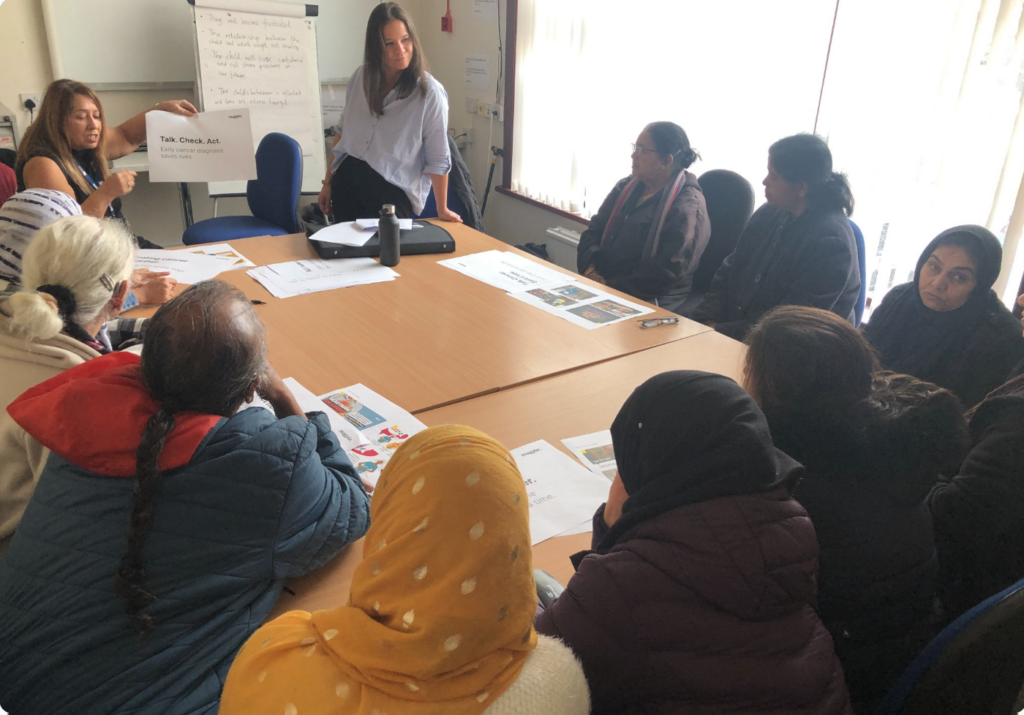
For the workshops we engaged with community groups, and shaped the agenda to work with participants with specific needs, such as people who speak English as a second language. Alongside insight gathering, these workshops featured co-creation exercises, in particular working with the participants to help shape the campaign messaging and media placement ideas.

As part of our pre-campaign insight we recruited a panel group who would be key in helping us evaluate the impact of our campaign. We showed the panel group the campaign in a controlled setting, and then followed this with a post-campaign survey. This approach allowed us to measure changes in awareness, confidence, and an intention to act following the launch of the campaign.
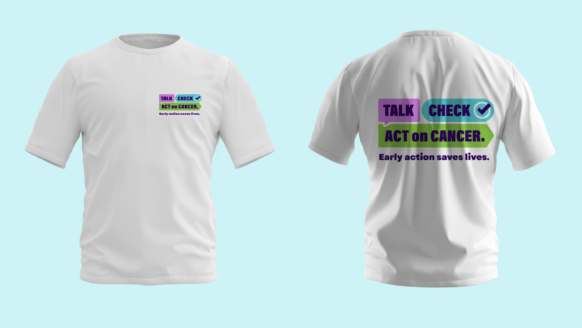
Talk, Check, Act on Cancer
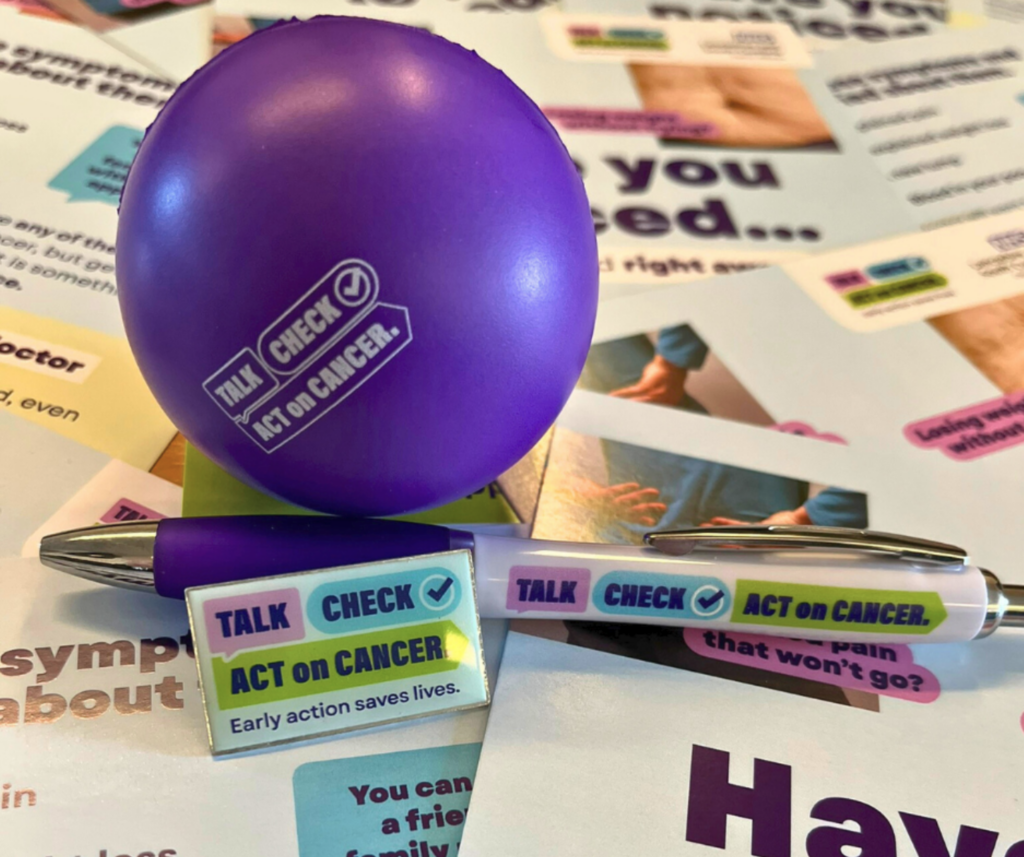
We developed ‘Talk, Check, Act on Cancer’ to encourage open conversations about cancer symptoms, improve awareness, and help more people feel confident seeking support early. The campaign focused on empowering people with clear, trusted information so they could take control of their health without fear or confusion.
Built around audience insight and behavioural understanding, the campaign responded directly to what people told us they needed to feel reassured, informed, and ready to act. The creative approach combined:
- clear, direct messaging that was simple, purposeful, and easy to understand quickly
- honest and relatable visuals featuring real, diverse bodies and medically accurate symptoms to build trust and relevance
- bold, accessible design using bright colours and mixed-case typography to maximise visibility and engagement
- straightforward calls to action that encouraged people to speak up, get checked, and seek help earlier
Together, these elements helped reduce stigma, remove barriers to understanding, and make conversations around cancer feel more approachable. The campaign supported people across Lancashire and South Cumbria to recognise changes in their body. In addition, it helped people access support sooner and take an important first step towards earlier diagnosis.
Check It, Don’t Chance It
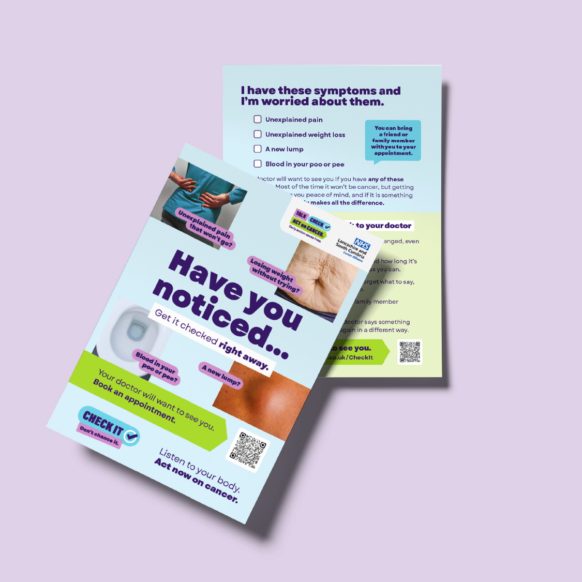
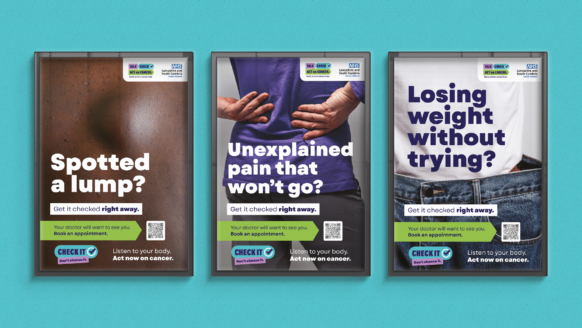
The ‘Check It, Don’t Chance It’ campaign, a targeted sub-campaign of ‘Talk, Check, Act on Cancer,’ was developed to encourage people to feel more confident in recognising unusual symptoms and acting early. Using simple, actionable messaging, the creative focused on reassurance over fear, prompting audiences to book a GP appointment if they noticed any potential changes. The core aim was to increase symptom awareness, encourage earlier conversations with healthcare professionals, and support earlier cancer diagnosis outcomes.
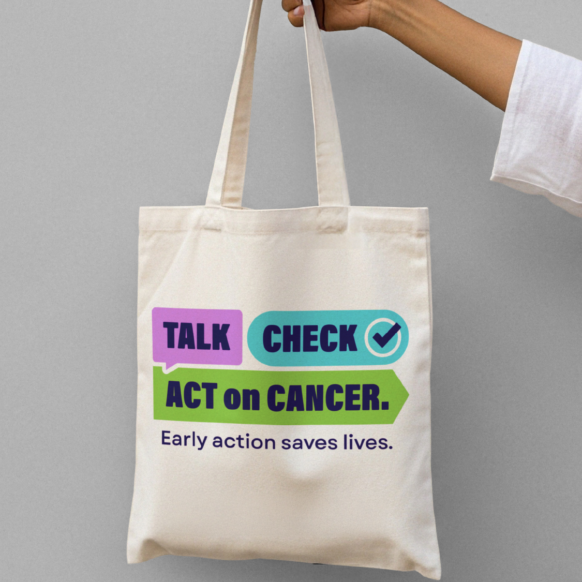
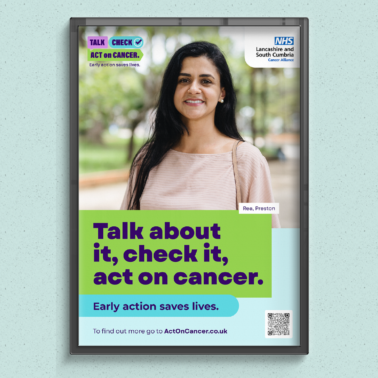
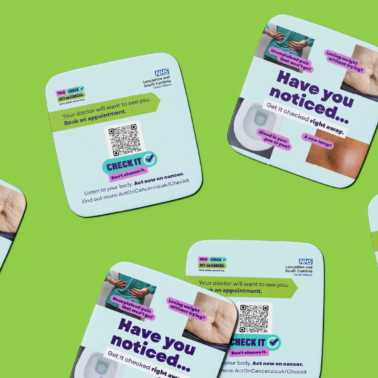
The creative was rooted in audience insight, encouraging people to ‘know their normal’ with clear, achievable calls to action. Delivery was supported by a comprehensive toolkit including, posters, leaflets, and social media assets, and a dedicated campaign landing page.
Targeted digital delivery
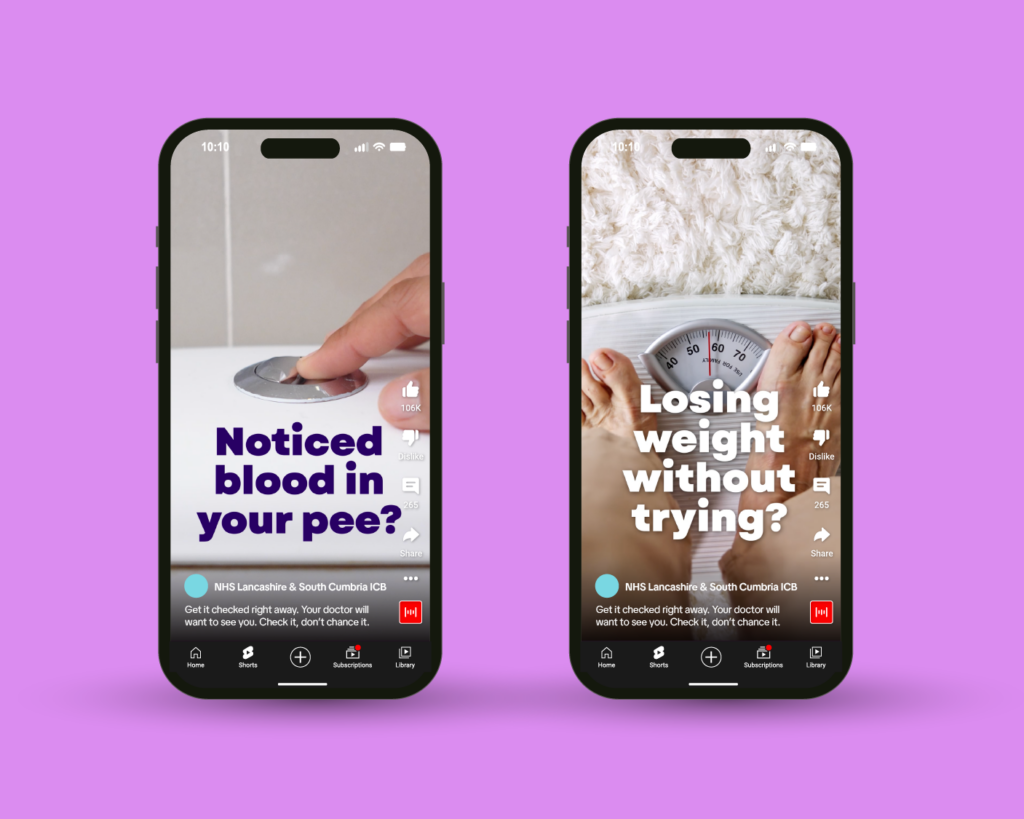
The “Check It, Don’t Chance It” campaign was delivered through a behaviourally-led digital strategy. This strategy was designed to move audiences from awareness through to action.
We used targeted digital advertising to reach people who are least likely to engage with traditional health messaging. Additionally, we combined postcode-level targeting with platform algorithms to prioritise high-need areas and disengaged audiences.
Multi-platform approach
We used a combination of platforms, each playing a distinct role:
- Meta (Facebook, Instagram, Messenger): Drove large-scale reach and engagement through relatable, video-led content
- Google Performance Max: Captured people actively searching for symptoms, reinforcing messages at key moments of intent
Together, this ensured we reached audiences across both passive and active stages of behaviour.
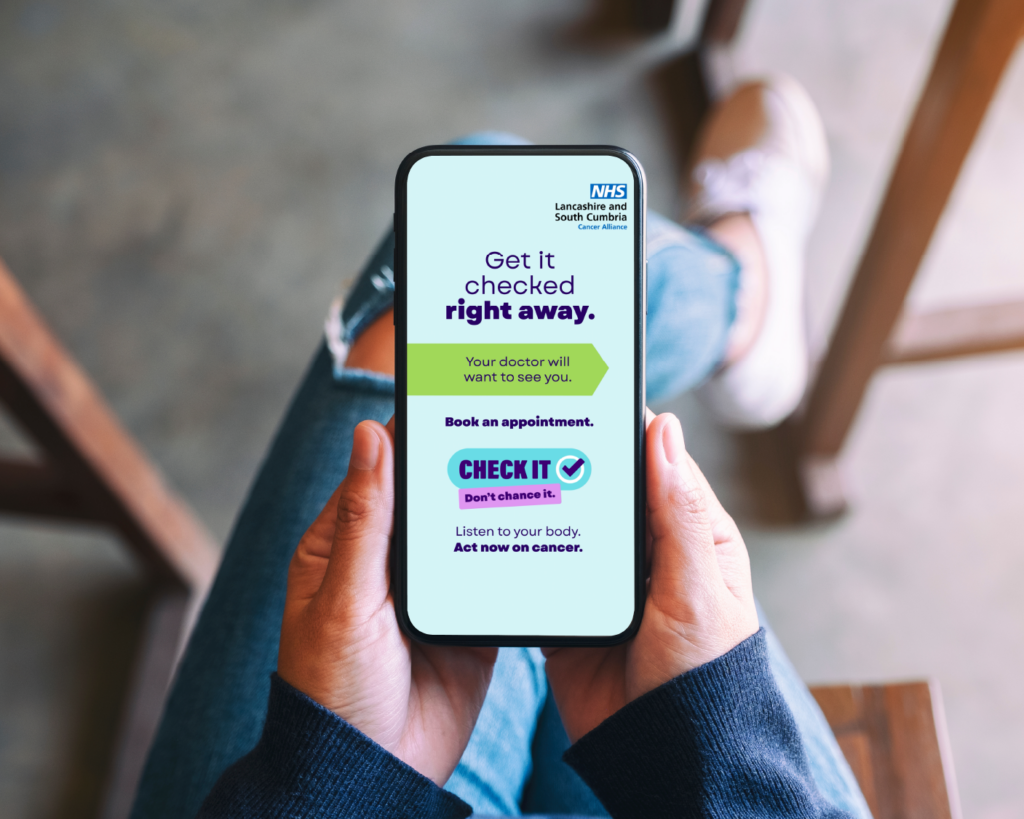
Digital advert with all symptoms

Video-led engagement
Short-form video was central to the campaign, designed to:
- Capture attention quickly
- Clearly present symptoms
- Deliver simple, memorable calls to action
Strong retention showed that audiences were willing to engage with sensitive health content when presented in a clear and accessible way.
Driving action through reassurance
A key barrier was hesitation around contacting a GP. Messaging focused on:
- Normalising symptom checking
- Reducing fear of “wasting GP time”
- Providing clear, human reassurance
This ensured the campaign supported action, not just awareness.
Continuous optimisation
The campaign was monitored and optimised throughout, using real-time data to refine targeting, prioritise the most effective content, and maintain strong cost efficiency at scale.
Our impact
The campaign significantly exceeded reach targets, delivering over 58,000 website visits against a target of 8,000 to 13,000. With 3.6 million impressions, the campaign achieved strong and consistent coverage across priority locations, driving both awareness and action.
Engagement remained high, with over 150,000 meaningful video views (25%+) on Meta, showing that audiences were not just seeing the content but paying attention. Cost efficiency also remained strong, with an average £0.07 cost per click and a 1.63% click-through rate, both outperforming benchmarks.
Our post-campaign survey with the panel group clearly indicated a shift in awareness and confidence. The most significant quantitative success of the campaign was a surge in participant confidence regarding symptom identification. Average level of confidence across the participant pool rose by 19.64%.
A major behavioural hurdle pre-campaign was the fear of being a “burden” on the NHS, which was reflected in our earlier insight. The campaign successfully reframed the GP-patient relationship for the panel group. We saw a 6.7% reduction from participants feeling that they are ‘wasting GP time’ when requesting an appointment for these symptoms. The phrase “Your doctor would want to see you” acted as a “social permission slip”, as identified through our survey responses.
Overall, the campaign has delivered high impact at low cost, combining scale, engagement and action.
58,000 website visits
showing strong intent to find out more about possible symptoms and what steps to take next.
3.5 million impressions
ensuring repeated exposure to messages across priority postcodes and communities with historically lower uptake.
19.6% increase
in early cancer sign/symptoms identification across our panel group, showing an increased awareness of signs and symptoms.
6.7% reduction
in participants fearing they’d be wasting GP time. When requesting an appointment for these symptoms, showing that our campaign was successful in providing a positive and empowering message to break down the GP appointment barrier.
What they said
“The team at Magpie really shone and took this project to a higher level than we ever anticipated. From the start, they were curious about the brief, offered insightful advice, and brought an impressive blend of creativity and rigour to the campaigns. We were particularly impressed by their behavioural science‑led approach and their genuine commitment to working with people and communities throughout both the development and creative processes, ensuring the campaigns resonated authentically with the intended audiences. This approach was clearly reflected in the strong performance of the digital campaigns and the consistently positive feedback we received from both partners and the public.
”
What we learned
Symptom-led messaging drives engagement: Clear, direct messaging focused on specific symptoms consistently outperformed more general awareness messaging, reflecting how people think and search when concerned about their health.
Reassurance is critical to behaviour change: Messaging that reassured audiences (“your doctor would want to see you”) played a key role in reducing hesitation and encouraging action.
Digital channels can reach and influence disengaged audiences: By using targeted digital delivery, the campaign successfully reached people who may not otherwise engage with health messaging, demonstrating the effectiveness of digital for early diagnosis campaigns.
Want to improve early cancer diagnosis and screening uptake in your area?
We work with NHS teams, local authorities and cancer charities to design behaviourally informed early diagnosis and screening campaigns rooted in evidence, insight and community engagement.
If you are looking to improve cancer screening uptake, or address inequalities in prevention and early diagnosis, we would love to talk.
Get in touchSee more projects:
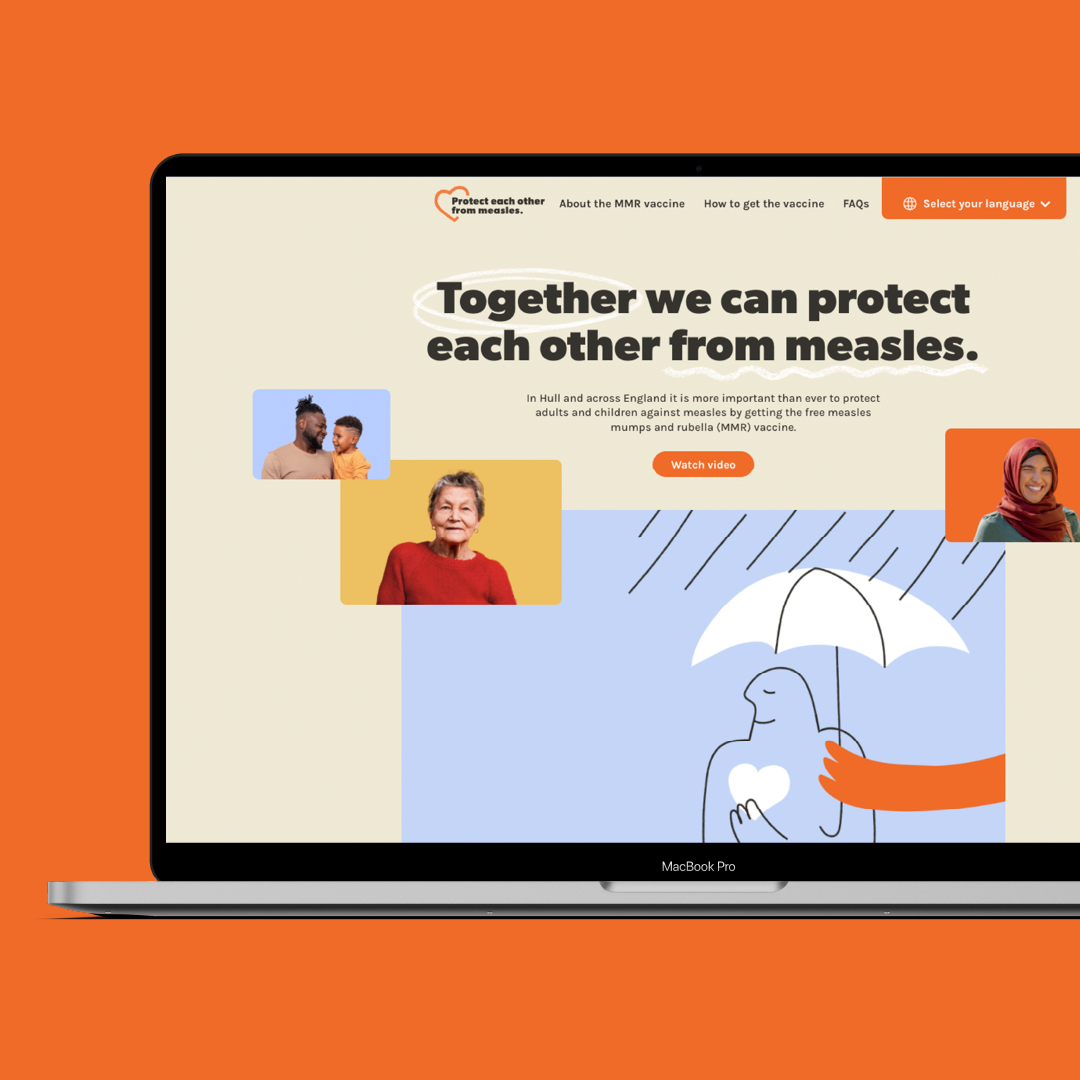
Addressing MMR vaccine hesitancy in underserved communities
Read more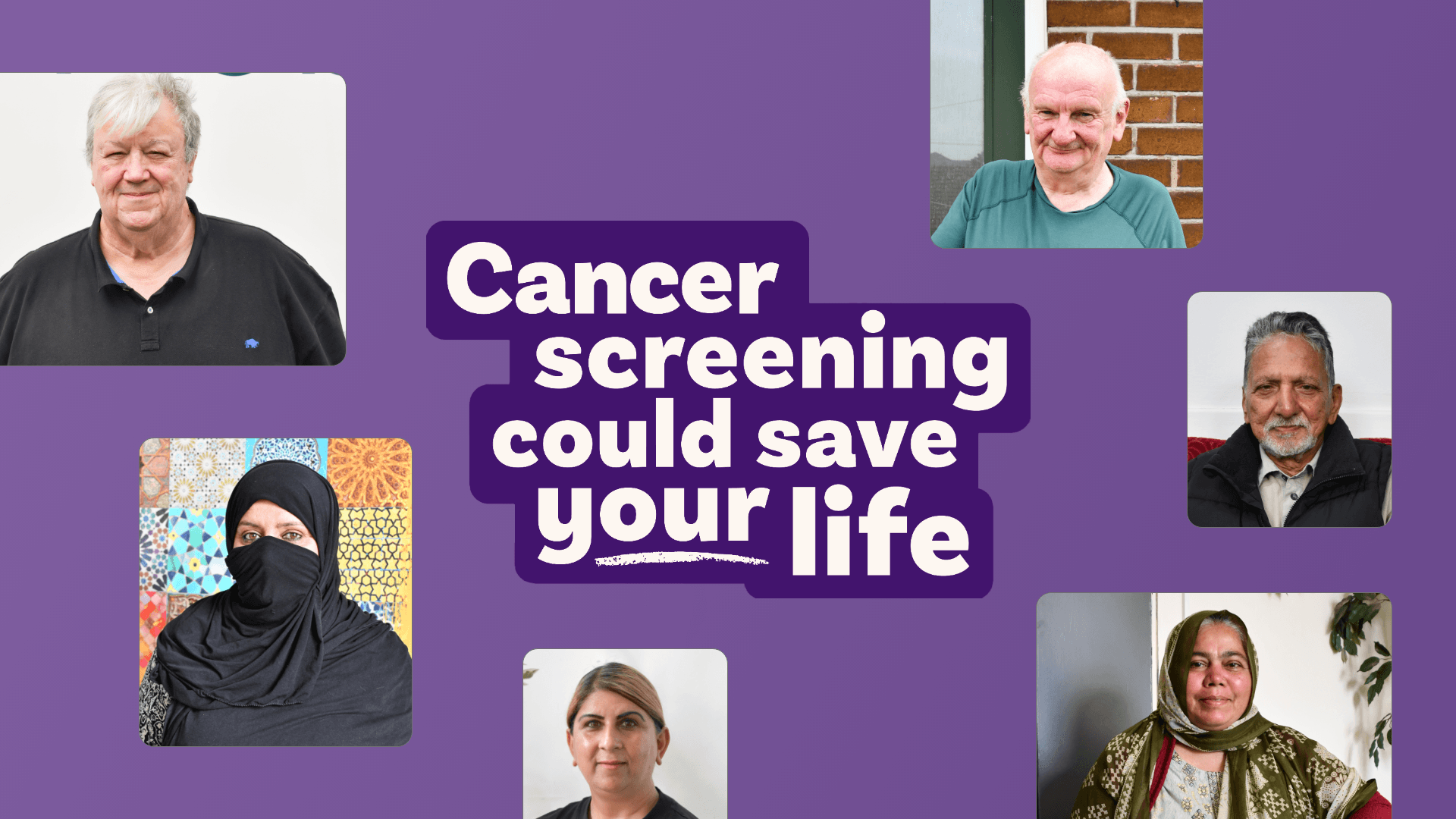
Bradford: Cancer Screening Could Save Your Life
To tackle low cancer screening rates in Bradford District and Craven, Magpie launched a grassroots, co-created campaign that put local voices at the heart of the message. By addressing cultural barriers and health inequalities through authentic storytelling, the initiative successfully empowered diverse communities to overcome fear and prioritise life-saving appointments.
Read more