
Breaking stigma around epilepsy
For many people living with epilepsy, silence feels safer than disclosure. The fear of judgment at work, rejection in relationships, or misunderstanding among friends means conversations about epilepsy are often avoided. Yet this silence reinforces stigma, keeping misconceptions alive.
Epilepsy Action wanted to break that silence – to help people understand what it really feels like to live with epilepsy and to empower more open, honest conversations. The challenge was clear: how do you build empathy for a condition that many audiences don’t know or care about (yet)?

Date
May 2025 - July 2025
Client
Epilepsy Action
Scope of work
- Campaign development & activation
- Creative Development
- Creative messaging and copywriting
- Digital Engagement
- Digital Strategy
- Insight-led recommentations
- Media Targeting
Watch the full video

Our Approach
We created If I Told You… – a bold, emotional, digital-first campaign designed to disrupt assumptions, challenge public perceptions, and spark empathy. The campaign was specifically designed in this way to reach and engage new audiences.
Behaviour Change at the Core
- Perspective-taking: Each scenario placed the viewer in the shoes of someone with epilepsy.
- Mental rehearsal: The repeated “If I told you…” prompt encouraged people to reflect on their own reactions.
- Reframing norms: Scripts modelled empathy as the expected behaviour.
Together, these techniques were designed to move audiences from passive awareness to active empathy and supportive intent.
Creative Storytelling
We developed short videos, depicting relatable everyday scenarios:
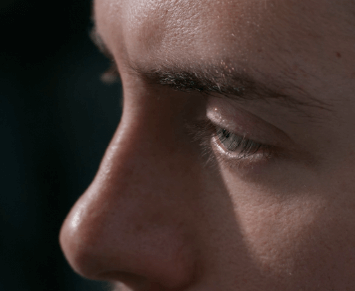
- A job interview – the anxiety of deciding whether to disclose a condition to a potential employer.
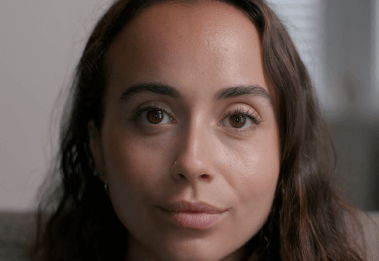
- Dating – the fear of rejection when telling a new partner about epilepsy.
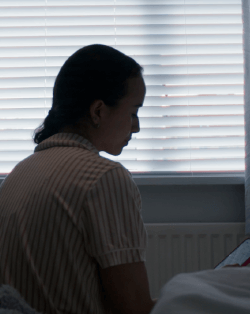
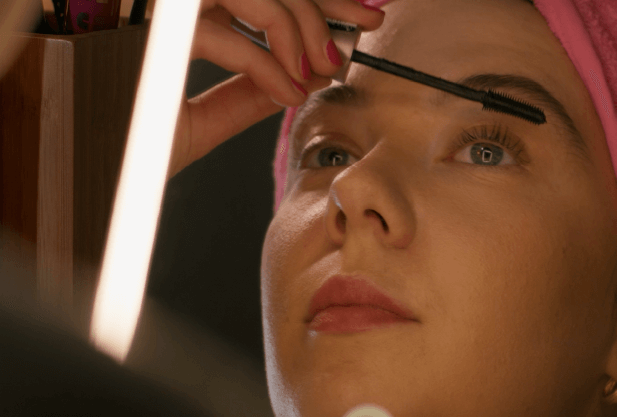
- Friendship – the uncertainty of opening up to friends before a night out.
These three moments were chosen because research and lived-experience insight show stigma most often appears in workplaces, intimate relationships, and social settings. By delaying the “epilepsy reveal,” we built intrigue and emotional connection first. This narrative technique made stigma visible in everyday interactions, turning prejudice into something real and relatable.
Digital-First Distribution
To reach younger audiences (18–34) – a priority group identified for their role in shaping cultural attitudes and acting as future allies – we adopted a multi-channel strategy designed for reach, relevance, and impact:
-
TikTok – building scale and cultural resonance with under-35s.
-
Instagram & Facebook (Meta) – encouraging deeper engagement and sharing.
-
YouTube – balancing short hits of awareness with longer storytelling impact.
Across these platforms, we produced 16 videos designed for maximum engagement, emotional impact, and shareability – helping Epilepsy Action expand its reach to over 1 million new people beyond its existing community. Running these channels together maximised reach and frequency, helping normalise conversations about epilepsy across different moments and platforms rather than relying on a single touchpoint.
Watch all videos and go behind the scenes (3)

How to support a colleague with Epilepsy
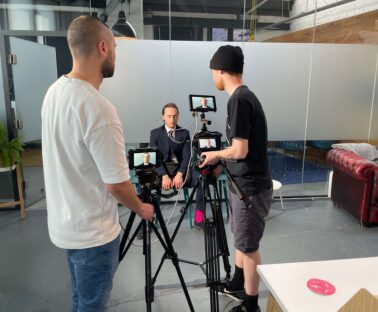
A guy who has faced constant rejection from job interviews because of his epilepsy. He is going to his 2nd interview for a job he really wants but is nervous and wondering whether he should tell them about his condition.

How to support a partner with epilepsy
Showcases the inner monologue of a girl who has just started a new relationship and is building up the courage but is nervous about telling her new partner that she has Epilepsy.

How to support a friend with epilepsy
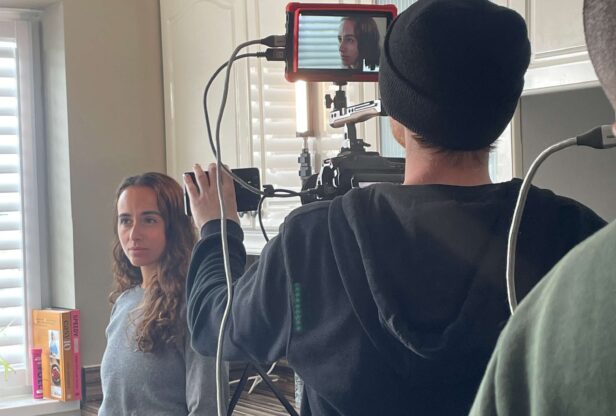
A popular girl who loves going out all the time but something is playing on her mind. Her friends don’t know she has developed Epilepsy. We explore her prepping for a night out. She wants to tell her friends and be honest but she is not sure how they will react.


The Impact
The results far exceeded expectations. Most importantly, these weren’t just existing supporters – they were new audiences, particularly younger adults (18–34) who are socially aware, empathetic, and ready to challenge stigma.
1.84 million
impressions. 22% above target.
28,854
clicks to the landing page – almost 4x the KPI.
113,287
video views (nearly double the target.)
70% lower
cost-per-click than the benchmark.
29,000
engagements (likes, shares, comments, clicks.)
1 million
new people reached. Demonstrating the campaign’s ability to engage cold audiences at scale.
What Epilepsy Action said
“We asked Magpie to find us a new audience and deliver a creative campaign which rapidly developed empathy. The results show they absolutely delivered. The team challenged us to focus on who our ‘new’ audience should be and helped us find agents of change we never knew existed. They agonised over every last word in our video scripts and were relentless in capturing the emotion needed to create resonance. When it came to media planning and delivery they had specific audiences for each channel and nailed the numbers. This wasn’t luck. Magpie’s precision meant we were bound to be successful. They are a special team.”

Why It Matters
This charity behaviour change campaign didn’t lecture people with facts. It made them feel. By building empathy before awareness, we shifted audiences from indifference to understanding – and from bystanders to active allies. It also positioned Epilepsy Action as a cultural leader in how hidden conditions are discussed publicly, not just a provider of information.
For Epilepsy Action, this was more than reach: it was connection. The films sparked conversations in the comments, with people sharing their own experiences and others showing empathy and support. By normalising these conversations publicly, the campaign helped reduce stigma and created ripple effects of understanding that extended into workplaces, relationships, and communities.
What This Means for Other Charities
If your organisation is:
- Struggling to reach people who don’t yet care about your cause
- Tackling stigma, silence or sensitive issues
- Looking to convert awareness into empathy and action
- Investing in behaviour change, not just impressions
We can help you design campaigns that shift perceptions, spark conversation, and reach new audiences at scale.
Get in touch to see how we can support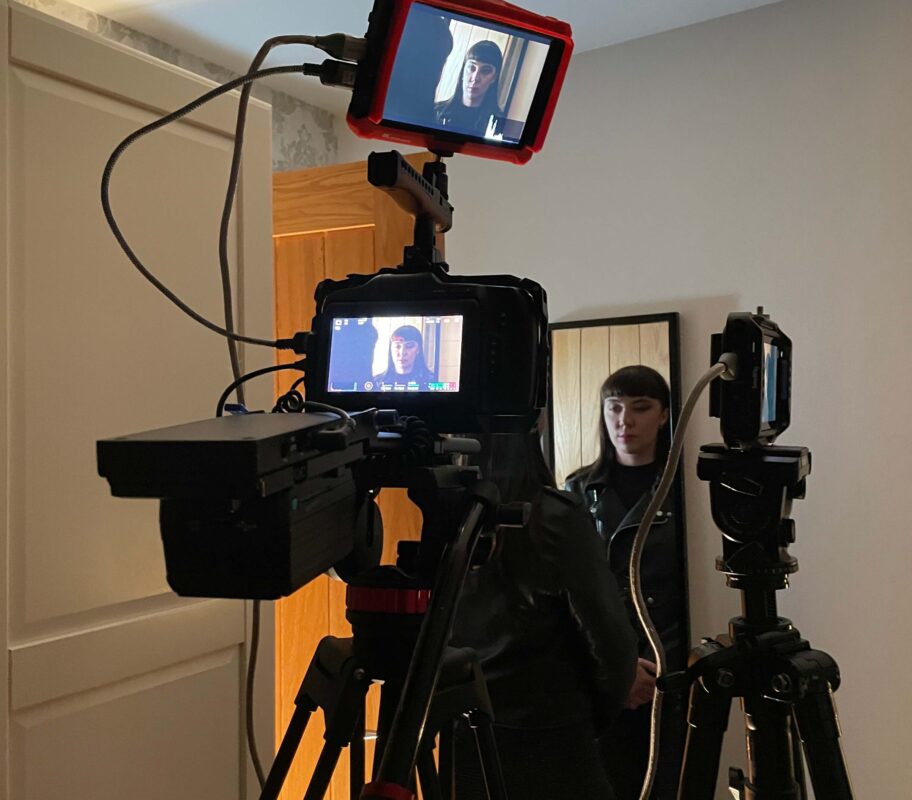
See more projects:
Join the fostering family
Fostering gives children the stability and care they need to thrive. It's a serious, life-changing decision for any carer. To power recruitment across the region, we created one unified identity for Foster for Greater Manchester. This new brand successfully brings ten boroughs together under a single, compelling voice, while still giving local authorities the flexibility to talk directly to their own communities.
Read more
Knowledge Equity Network
The Knowledge Equity Network (KEN) is a global initiative by the University of Leeds designed to make knowledge more accessible and inclusive. Developed in collaboration with Magpie, KEN unites universities, organisations, and individuals worldwide in a shared mission to reduce inequalities in higher education through open collaboration and equitable knowledge-sharing.
Read more