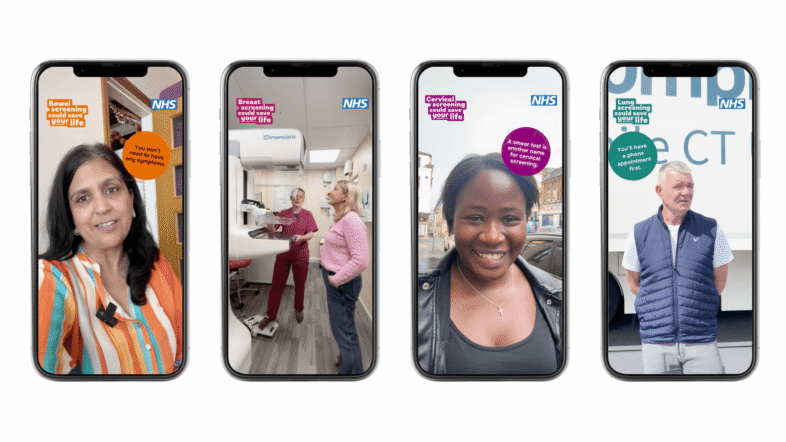
Digital campaigns can reach thousands of people in a matter of hours. But reach alone does not change behaviour.
For charities, NHS teams and public sector organisations, the real challenge is getting people to stop, pay attention and do something differently. That might mean booking a screening appointment, ordering fewer repeat medicines, donating to a cause or talking openly about something that carries stigma.
Those actions are shaped by habit, emotion, trust and timing. People are busy. They are distracted. They are often carrying worries or frustrations before they even see the campaign. That is why strong digital behaviour change campaigns need to do more than share information. They need to feel relevant in the moment someone sees them. They need to make the next step feel clear and manageable. Most of all, they need to feel human.
At Magpie, we have delivered and evaluated campaigns across health, charity and public sector work, covering everything from cancer awareness and screening uptake to rewilding and epilepsy stigma. Across those evaluations, we have seen clear patterns in the campaigns that cut through and the ones that struggle to connect.
Here are some of our key findings:
People respond to people
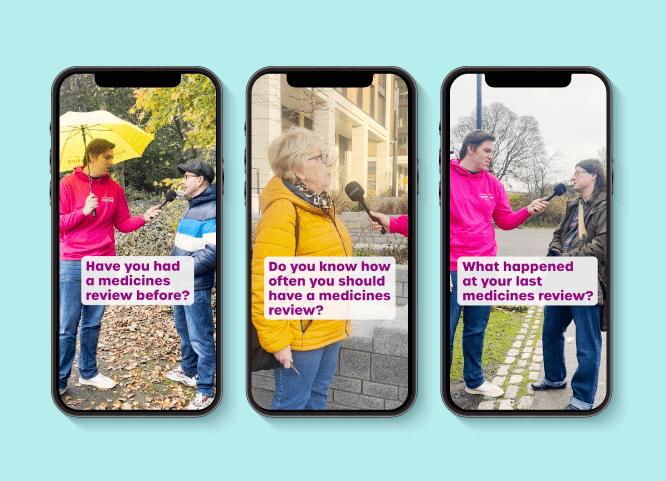
One of the clearest findings across recent campaigns is that human, scenario-led content performs better than abstract messaging.
Audiences engage more with real situations, familiar conversations and recognisable emotions than they do with information presented on its own. A message about screening becomes more powerful when it starts with a person putting off an appointment. A message about epilepsy stigma becomes more engaging when it shows the hesitation someone feels before telling a friend or colleague.
These moments feel real because they are rooted in everyday behaviour. They allow people to see themselves in the content straight away. This is particularly important on platforms like Meta and TikTok, where audiences make quick decisions about whether something feels relevant enough to watch. Content that immediately feels human tends to hold attention for longer and create stronger emotional engagement.
It also explains why highly polished campaign content is not always the strongest performer. Audiences often trust content that feels natural, direct and believable far more than something that feels overly produced or corporate.
The behaviour has to feel achievable
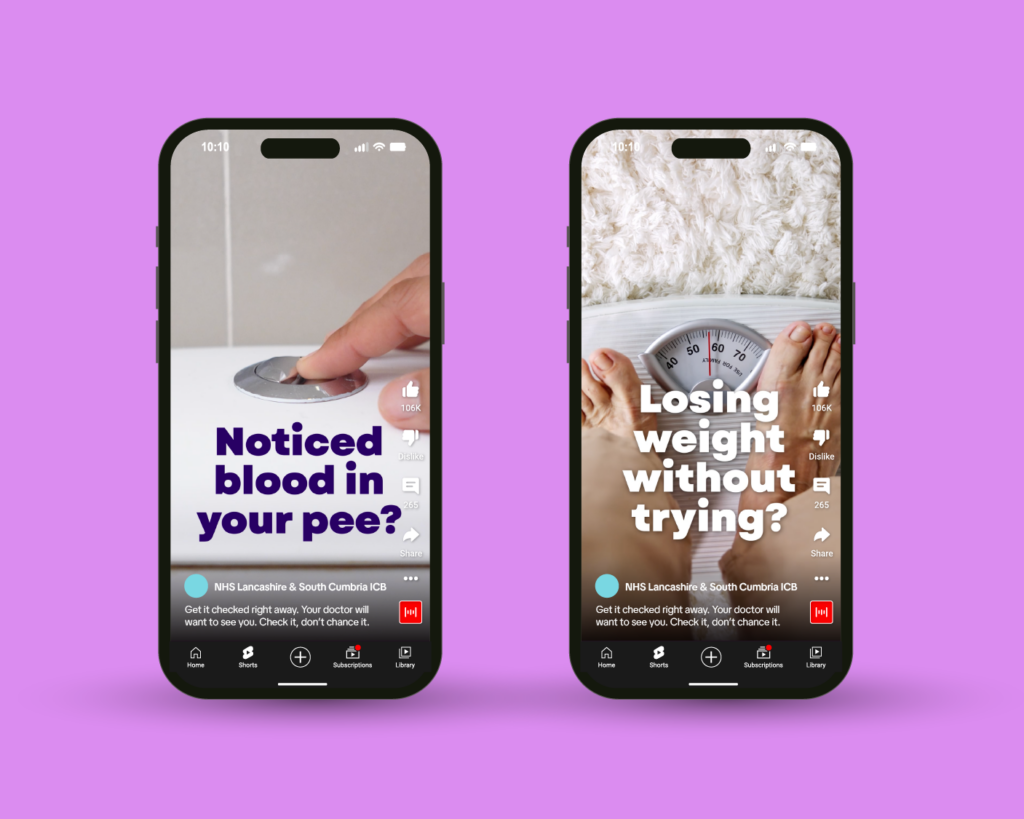
Many campaigns fail because the action feels too big.
People are far more likely to engage with behaviour that feels simple, practical and easy to picture in everyday life. The strongest campaigns often focus on one clear action and present it in a way that feels manageable.
Check the cupboard before ordering more medication. Get that new lump checked. At a stop? Turn your engine off.
These actions sound small, but that is the point. Good behaviour change campaigns reduce effort and uncertainty. They help people feel capable of taking the next step rather than overwhelmed by it.
This matters even more online, where people are scrolling quickly and giving very little mental energy to the content they see. If the message feels confusing or demanding, attention disappears almost instantly.
The campaigns that perform best usually make the behaviour feel like something a person can do today, not something they need to completely rethink their life around.
Relevance comes from real moments
People rarely engage with a campaign because they are actively looking for one. They engage because something in the content connects with a moment they recognise. That moment might be noticing a new symptom, running out of medication, worrying about a family member or feeling unsure about whether something is serious enough to act on.
The strongest digital campaigns are built around these moments rather than broad awareness statements. They use situations, language and emotional triggers that already exist in the audience’s mind.
This changes the way campaigns are planned. Instead of starting with “what do we want to tell people?”, the better question is often “what is happening in someone’s life when this message matters most?”. That shift creates content that feels more immediate and more personal. It also reduces the effort needed for someone to connect with the message.
Different platforms play different roles

One of the biggest mistakes organisations make is expecting every platform to deliver the same result.
People use Meta, Google, TikTok and YouTube in completely different ways. Someone scrolling Instagram is in a very different mindset to someone searching Google for symptoms or support.
That means each platform needs a clear role within the campaign.
Meta often works well for awareness, emotional engagement and efficient traffic. Google captures intent and active concern. TikTok can create large reach through content that feels native to the platform and socially driven. YouTube can build scale and hold attention for longer-form storytelling.
Strong digital strategy recognises those differences from the start. It plans content and measurement around audience behaviour rather than treating every channel in the same way.
This is often where campaigns become much more effective. Instead of forcing the same message, format and KPI across every platform, the campaign starts working with the strengths of each channel.
Most people need more than one interaction
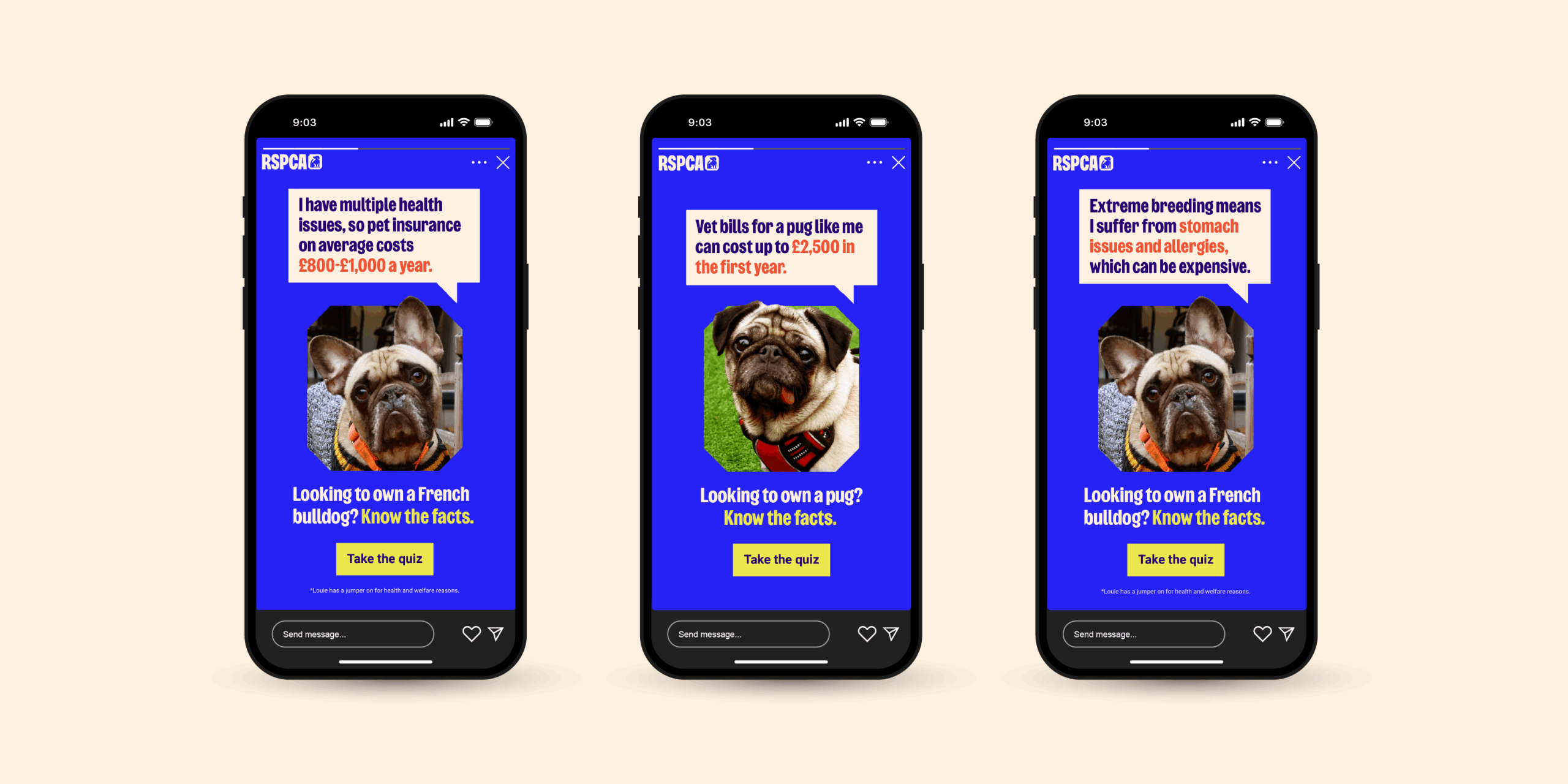
Behaviour change rarely happens after seeing a single post or advert.
People often need repeated exposure before they trust a message enough to act on it. They need reminding. They need reassurance. Sometimes they simply need more time.
That is why campaign sequencing and retargeting can make such a difference.
A first piece of content might introduce the issue. A second might answer a concern. A third might reinforce the action or explain what happens next. Audiences who have already engaged with content are usually far more responsive the next time they see it.
This is one of digital marketing’s biggest strengths. It allows campaigns to build familiarity and move people gradually from awareness towards action, rather than expecting instant behaviour change from a single interaction.
The strongest campaigns are planned as ongoing journeys rather than short bursts of activity.
Local relevance still matters
Digital campaigns often perform better when they feel close to home.
For healthcare, council and community-focused work, especially, local framing can make a campaign feel more relevant and more trustworthy. People are more likely to pay attention when they recognise their area, their local service or experiences that feel familiar to where they live.
This does not always require heavy localisation. Sometimes, small details are enough to make the message feel grounded and believable.
That sense of relevance matters because audiences constantly filter content based on whether it feels useful to them personally. A campaign that clearly connects to local services or local experiences often cuts through faster than something broad and generic.
Good campaigns acknowledge real barriers
Awareness is only one part of behaviour change.
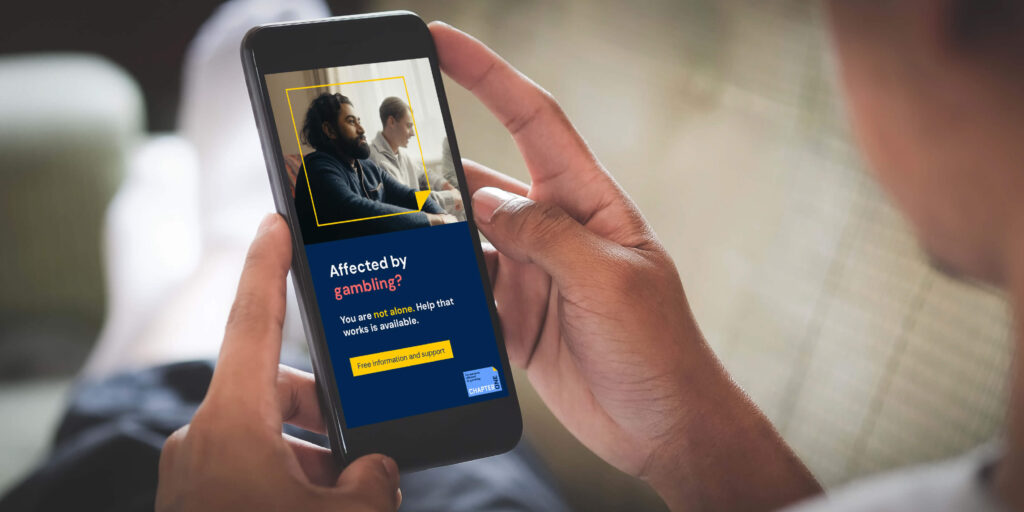
People can fully understand a message and still avoid acting on it. They may worry they will not be taken seriously. They may expect long waits. They may have had poor past experiences with services. They may simply feel anxious about what happens next.
Campaigns become stronger when they recognise those concerns honestly rather than ignoring them.
In health campaigns especially, trust plays a major role in whether someone takes action. Content that reassures people, explains the process clearly and reflects genuine experiences tends to build stronger engagement than messaging that focuses only on information.
This is where behaviour change becomes much more than awareness raising. It becomes about reducing emotional barriers and helping people feel confident enough to act.
Attention is won quickly
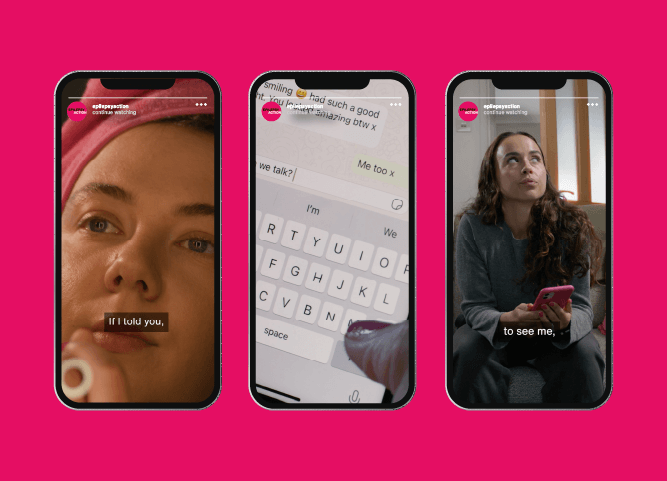
The first few seconds of a piece of content matter more than most organisations expect.
Across video campaigns, we consistently see sharp drop-off early on. If the relevance is delayed, audiences move on.
The strongest-performing videos usually introduce the human story, problem or emotional tension almost immediately. They get to the point quickly without feeling rushed.
That does not mean every campaign needs loud editing or dramatic hooks. It means people need to understand very quickly why they should care.
Strong openings create curiosity, recognition or emotional connection straight away. Weak openings often spend too long setting up the message before giving the audience a reason to stay.
Campaigns improve through active management
The work does not stop once a campaign goes live.
Some of the strongest results come from changes made during delivery. That can include refreshing creative, refining audiences, adjusting budgets, managing ad frequency or testing different messaging angles.
This matters even more in smaller geographic areas or highly targeted campaigns, where audience fatigue can happen quickly.
Good digital campaigns are actively managed and shaped around live audience behaviour. That process often reveals valuable learning about what people respond to, what they ignore and what makes them act.
Without that ongoing management, campaigns can lose momentum long before they reach their full potential.
Metrics only tell part of the story
Performance data matters. Clicks, reach, watch time and cost all help us understand how a campaign is performing.
But the strongest digital behaviour change campaigns do not focus only on the easiest wins.
Some messages naturally attract more attention than others. Some health topics or behaviours need more support before people engage with them. If campaigns only chase the best-performing metrics, important messages can quickly disappear from the strategy.
That creates a difficult balance, particularly in public sector and charity work. Campaigns still need to perform well, but they also need to communicate the messages that matter most.
Strong strategy balances audience behaviour with campaign purpose. It uses data to shape decisions without letting performance alone dictate the direction of the campaign.
The experience after the click matters just as much
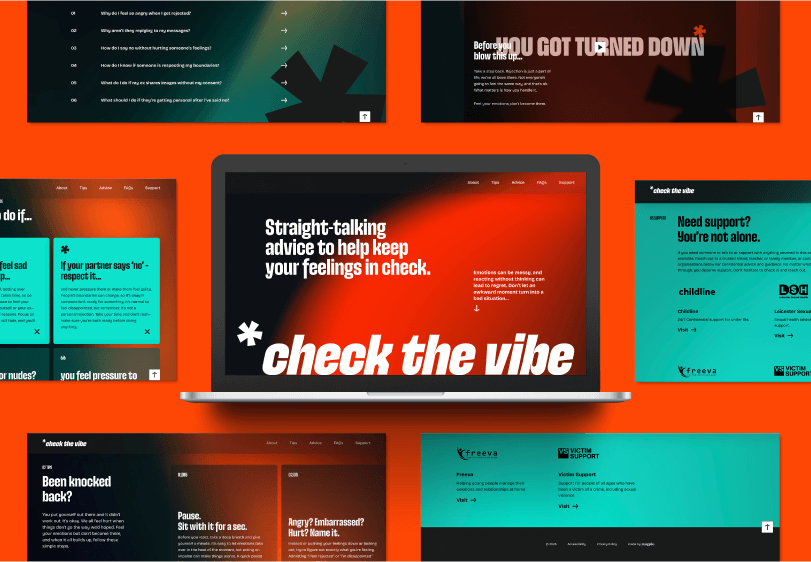
A strong advert means very little if the landing experience does not support the action.
People click because they want clarity, reassurance or information. If the page they arrive on feels confusing, generic or difficult to navigate, they often leave immediately.
The strongest landing experiences continue the work the campaign has already started. They answer questions clearly, reduce uncertainty and make the next step feel obvious.
That might mean clearer calls to action, simpler user journeys, stronger reassurance messaging or more practical guidance.
For behaviour change campaigns, the click is not the finish line. In many cases, it is the moment someone starts seriously considering action.
Better campaigns come from continuous learning
The strongest digital campaigns are rarely built on assumptions alone. They are shaped through testing, evaluation and real audience behaviour.
Campaign learning shows more than what people clicked on. It reveals what people connected with emotionally, what held attention and what moved someone closer to action.
Across our recent work, one thing has become very clear. Successful behaviour change campaigns are not built around platform tricks or viral moments. They are built around people. People who are busy, distracted, uncertain or looking for reassurance.
The organisations seeing the strongest results are usually the ones willing to keep learning and adapting. They refine campaigns during delivery, test creative properly and think carefully about audience behaviour, not just reach figures.
At Magpie, evaluation is built into the way we plan campaigns from the start. We use campaign learning to shape strategy, improve creative and make future campaigns stronger than the last.
For charities, NHS organisations and public sector teams, that matters more than ever. Attention is harder to win and expectations around impact continue to grow.
The campaigns that cut through are the ones that feel human, relevant and grounded in real behaviour. More importantly, they are the campaigns people act on.
Planning a digital behaviour change campaign?
Whether you are starting from scratch or looking to improve existing activity, we can help you build campaigns that connect with people and drive meaningful action. From audience strategy and creative development to paid media, optimisation and evaluation, we help charities, NHS organisations and public sector teams create digital campaigns grounded in real human behaviour. If you want to create digital campaigns that people notice, trust and act on, we’d love to talk.
Get in touch