New research from Magpie’s Community Collaboration Manager reveals how charities can turn volunteers into advocates by giving them the right tools, guidance and support.
Volunteers are often one of a charity’s most trusted and authentic voices. They speak to friends, family, colleagues and communities every day. They share personal experiences, explain why a cause matters and help build understanding in ways that traditional communications often cannot. Yet many organisations are missing an opportunity to empower volunteers as advocates.
As part of our Volunteer Voice 2026 research, we spoke with 26 volunteers across Yorkshire to understand how they feel about promoting the organisations they support. What we found was encouraging; most volunteers are willing to advocate for their chosen cause, but many face barriers that organisations can easily help overcome.
Most volunteers are proud of the organisations they support
Volunteering was more than a role for many of the people we spoke to. 90% of participants told us volunteering is an important part of their identity and something they are happy to discuss with others. Many volunteers described feeling connected to the mission of their organisation and motivated to help others understand its purpose.
For charities, this is an important starting point. Advocacy is far easier when people already feel emotionally invested in a cause.
What’s stopping volunteers from sharing?
While enthusiasm was high, several barriers emerged. When asked what prevented them from sharing news, campaigns or updates from their organisation, volunteers highlighted four key challenges.
- Fear of sounding preachy: 14% worried about coming across as pushy or judgemental when talking about their cause. For many, there was a fine line between raising awareness and feeling like they were forcing an opinion onto others.
- Lack of content and resources: 20% felt they did not have suitable content, images or information to share. Several volunteers said they would feel more confident if organisations provided ready-made materials that could be adapted for different audiences.
- Uncertainty around permissions: 1/3 of participants said they were unsure whether they were allowed to share organisational content. This was one of the most surprising findings. Many volunteers wanted to help but were hesitant because expectations had not been clearly communicated.
- Keeping volunteering separate from personal life: 20% preferred to keep their volunteering activities separate from their social and professional networks. This is an important reminder that advocacy should always be an invitation rather than an expectation.
The untapped opportunity for charities
Despite these barriers, the majority of volunteers said they felt confident introducing their organisation to others:
- Several described actively discussing their volunteering experiences at networking events, within professional circles and through conversations with friends and family.
- Many recognised that sharing information could help raise awareness, attract support and encourage others to get involved.
- The findings suggest there is significant untapped potential within existing volunteer networks.
Rather than focusing solely on recruiting new ambassadors, organisations may benefit from helping current volunteers feel more confident and equipped to advocate.
Practical ways to turn volunteers into advocates
Our research highlighted several simple ways organisations can make advocacy easier.
Create a simple introduction guide
Many volunteers told us they would value a short explanation of the organisation’s purpose and impact.
This could include:
- What the organisation does
- Why the work matters
- Key statistics and achievements
- Common questions and answers
A simple guide can help volunteers feel confident explaining the organisation in conversations.
Provide shareable content
Not everyone feels comfortable creating their own social media posts. Providing images, graphics, campaign updates and suggested captions can reduce barriers and make participation easier.
Clarify expectations
Volunteers should understand what they can and cannot share. Simple guidance around permissions, safeguarding and confidentiality can remove uncertainty and build confidence.
Celebrate advocacy
Sharing stories of volunteers who have successfully raised awareness can inspire others and demonstrate the value of advocacy. Recognition helps reinforce positive behaviours and creates social proof.
Advocacy starts with belonging
One of the strongest themes throughout the research was belonging.
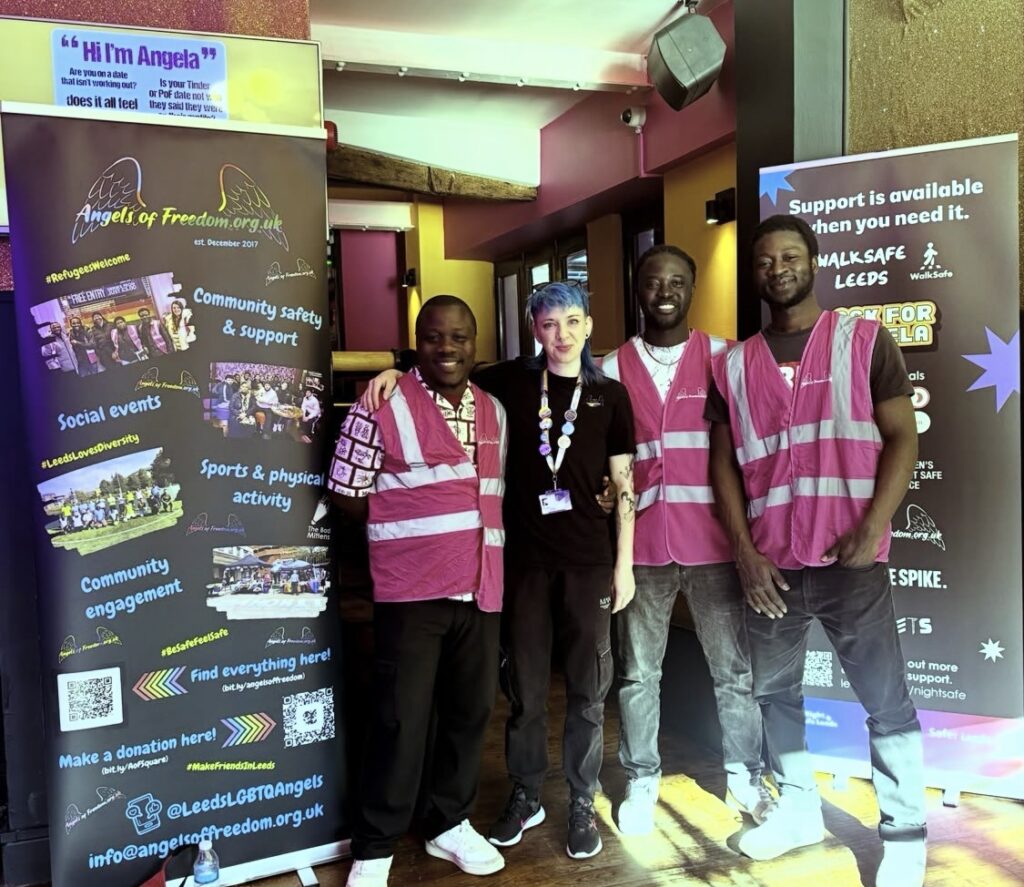
“When an organisation treats you as an equal partner, you do more than show up to do a task, you show up with your toolbox of skills to help them grow and succeed. You’re invested, you’re useful and appreciated, and it goes full circle.”
Volunteers who felt connected, valued and informed were often the most willing to talk positively about their organisation. Advocacy is not something organisations can simply ask for. It grows naturally when volunteers feel part of something meaningful.
“Being a volunteer is the most important jacket I’ll ever wear.” — George, Volunteer and Volunteer Coordinator, Angels of Freedom, Leeds

Looking ahead
Charities face increasing pressure to raise awareness, recruit supporters and demonstrate impact. Volunteers can play an important role in achieving these goals.
Our research suggests many volunteers already want to help tell the story of the organisations they support. They simply need the right tools, guidance and confidence to do so. When organisations invest in volunteer advocacy, they are not only extending their reach. They are strengthening the relationships that sit at the heart of their work.
Let’s create lasting positive change together.
Get in touch with the Magpie team today.
You can also find out more about Magpie’s expertise from over 16 years of delivering creative behaviour change in our 2026 Impact Report – Turning Ideas into Impact.