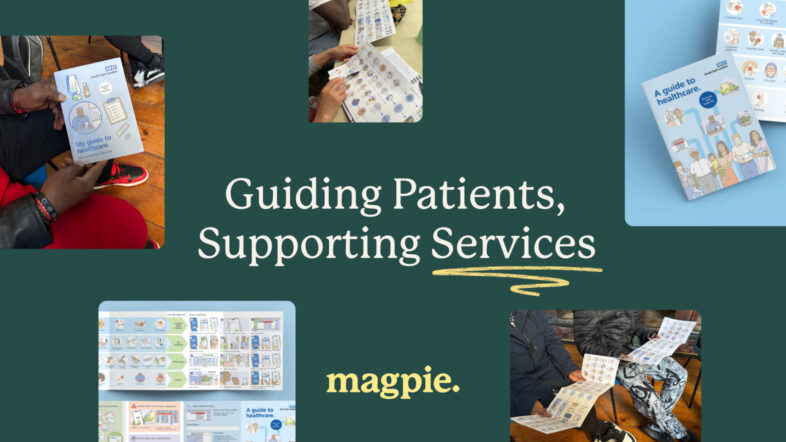
How far can clear design and behavioural insight go in improving NHS service navigation? Patient flow challenges are persistent, but recent findings from our co-created pilot in Lewisham suggest that user-centred tools can make a tangible difference.
Following our recent webinar, ‘Guiding patients, supporting services,’ we are pleased to share the full recording. If you missed it, this is your chance to explore an accessible, illustrated ‘guide to healthcare’. The guide is helping people choose the right NHS service and driving digital engagement.
Watch the full webinar
This webinar offers a candid look at the mechanics of a genuinely user-centric approach. It openly discusses the signs of impact, the challenges, and the learnings shaping the guide’s latest rollout in January 2026.
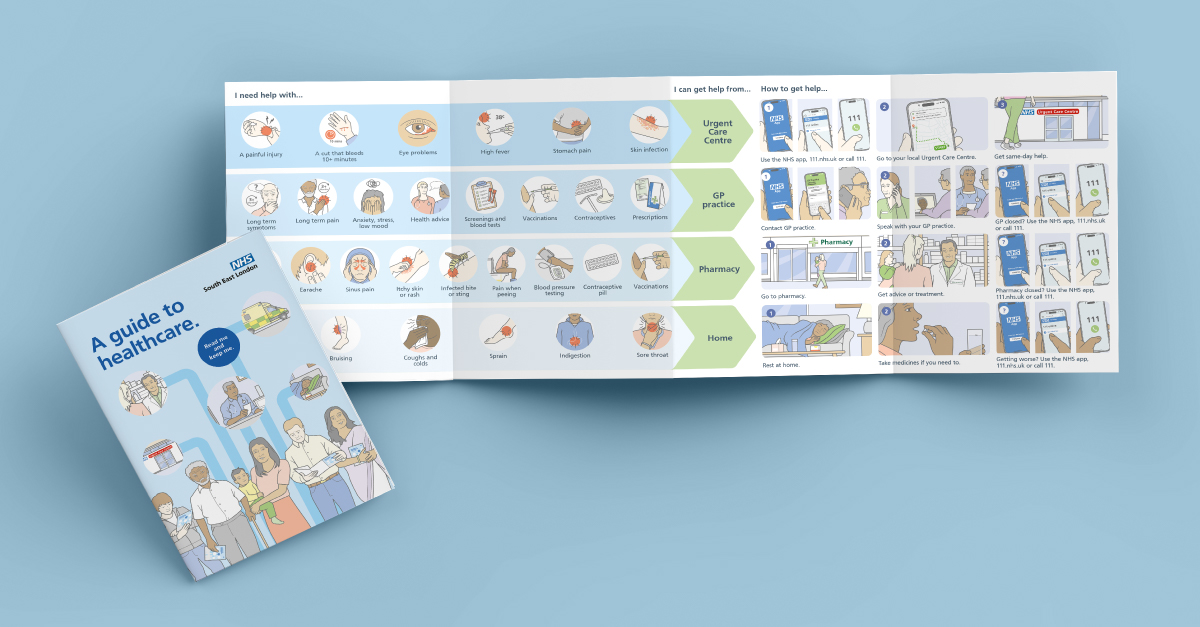
An ‘in-flight safety manual’ for healthcare
The core question driving this project was simple yet ambitious: ‘Can we design the equivalent of an ‘in-flight safety manual’ for NHS service navigation?‘
Working with NHS South East London Integrated Care System, we set out to co-create a tool with minimal words and maximum impact to overcome literacy and health literacy barriers. The result was a printed guide piloted in 2025, designed to direct patients to the right services.
Co-creation was central to the process, involving 87 participants in extensive research, testing, and prototyping.
User testing always brings up lots of interesting findings… these findings that we get from the user testing really does help to strengthen the creative and the design of everything that we do.
Rose Mountague, Creative Director at Magpie
“Phenomenal” early impact
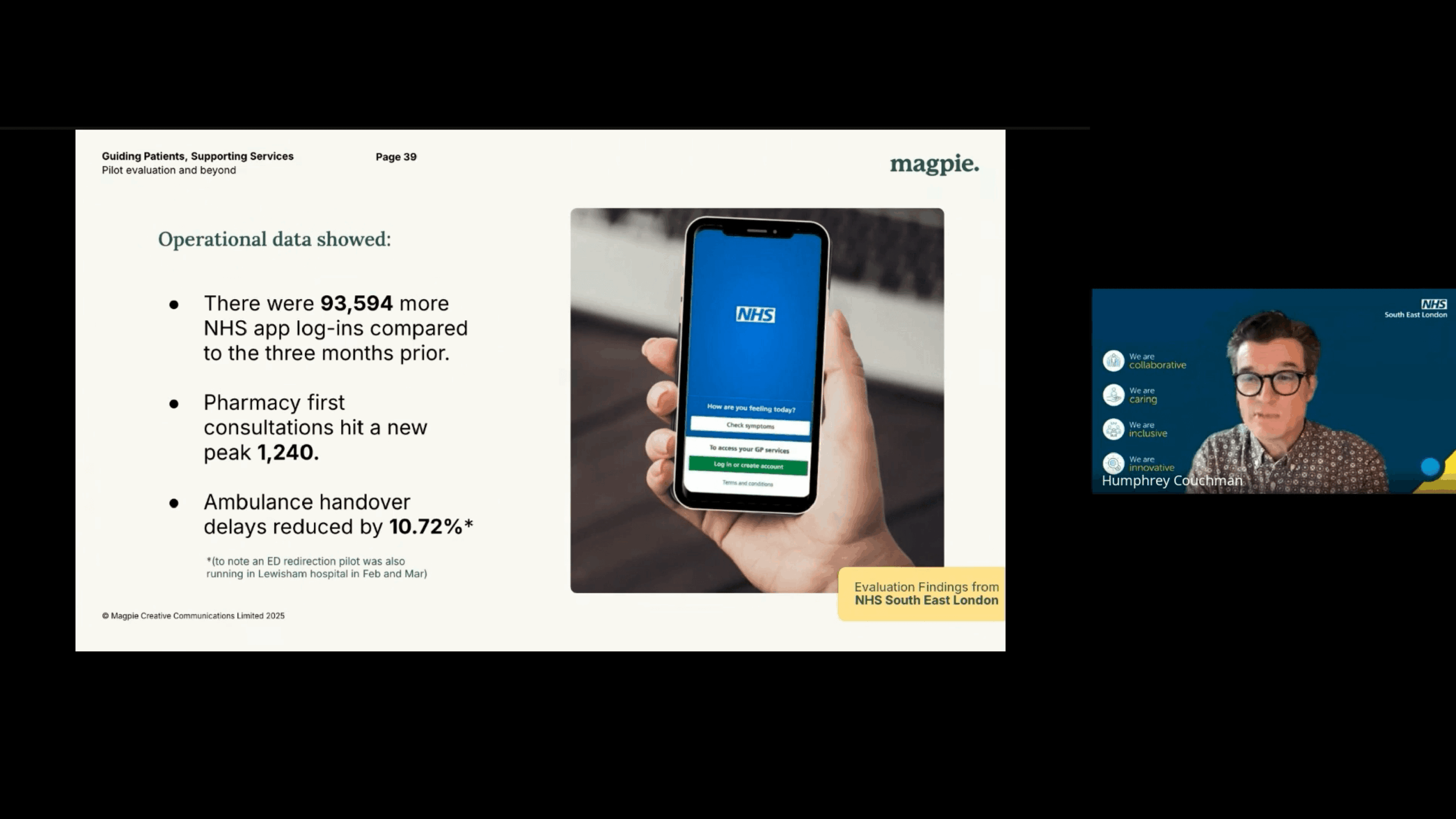
The webinar presented emerging data from the pilot, showing a promising shift in behaviour change and enhanced NHS service navigation.
Humphrey Couchman, Assistant Director of Communications, Media and Campaigns at NHS South East London, shared some striking figures from the pilot period:
Nearly 94,000 more logins to the NHS app compared to the three months before, Pharmacy First consultations reached a new peak, and ambulance handover delays reduced by nearly 11%.
While the team is careful to view this as a focused look at innovation rather than a “final solution,” the user recall and engagement have been exceptional. As Humphrey added, “The user response and the user recall of the campaign is incredibly high. I think in campaign terms, that’s phenomenal.
Empowering communities
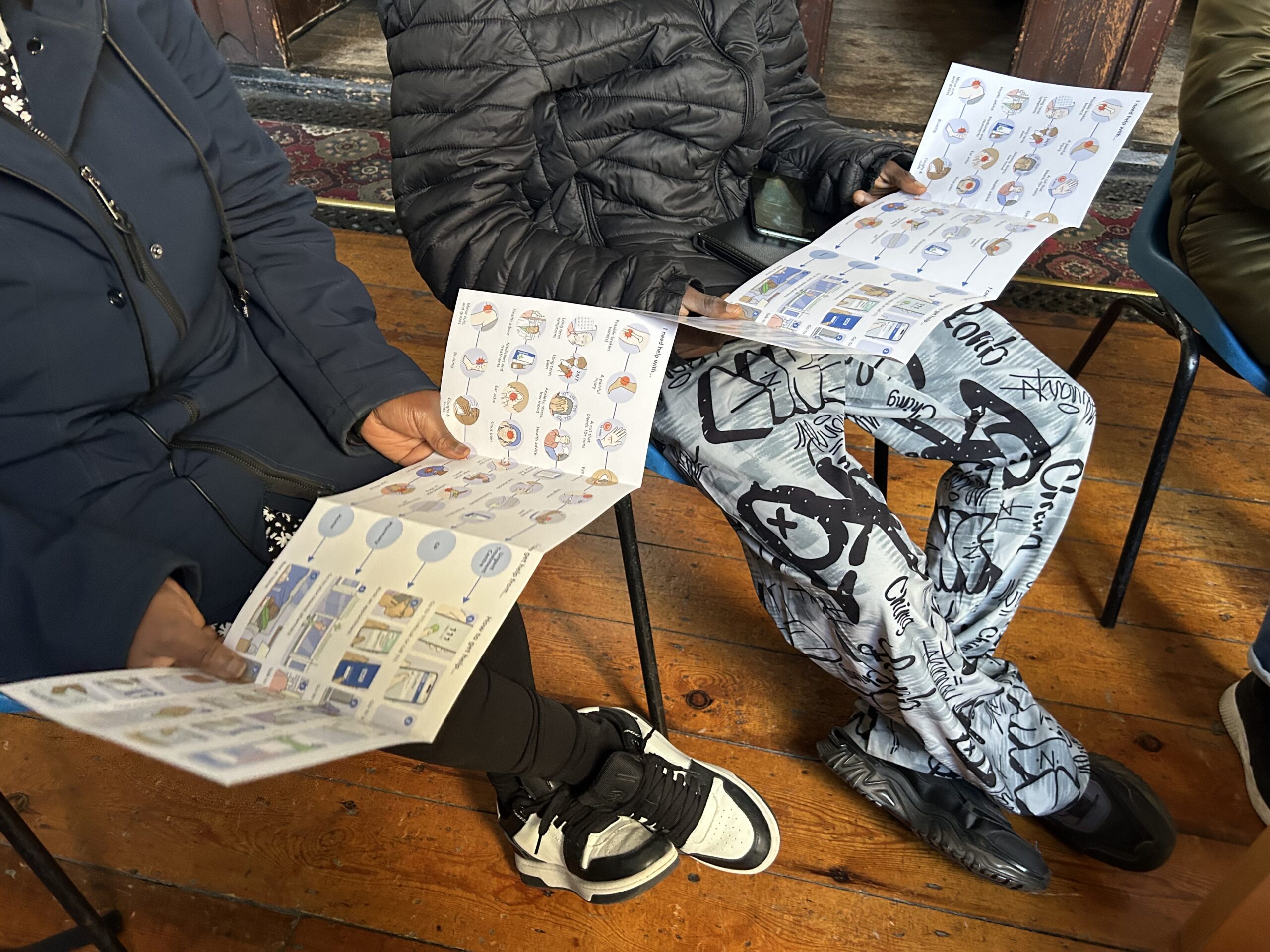
Beyond the statistics, the project’s success lies in its community roots. Iain Jones from Bear Church in Deptford, a community collaborator, highlighted the human impact of the co-design process:
I just think they felt empowered as being people who might not feel particularly significant in society… they were given a voice by this project… and it’s an empowering process for them.
Need support with service navigation?
If your team is grappling with patient flow or needs to demonstrate how communications can deliver tangible results, we’d welcome a conversation.
Get in touch