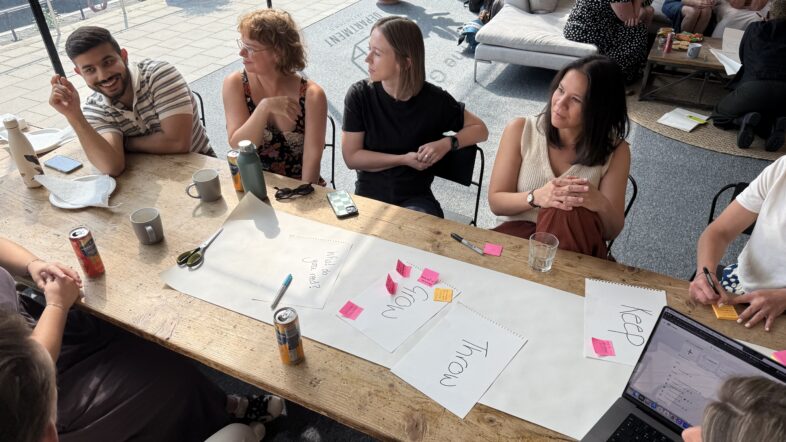
In recognition of National Inclusion Week (14th – 20th September) some of the Magpie team have been reflecting on how we can ensure our work, our culture and our partnerships remain inclusive and impactful.
How can fixed attendance patterns affect parents, carers, disabled and neurodivergent staff, and junior employees?
Fixed attendance patterns simply prevent people from being able to bring their best to work, or being able to work with you at all (in some cases). A lot has changed post-covid and it allowed workplaces to look at everything differently and understand the role of ‘workplace’ differently.
What does flexibility look like at Magpie, and how does being based at Department at Leeds Dock help you support different working needs?
Magpie’s brand proposition is ‘people-powered social change’ and this starts within, ensuring we have great people with a great workplace. We help each person play their part in the success of Magpie, and we personalise support needed.
Asking team members how they want to work right from the beginning and keeping the conversation open and two-way throughout their role, recognising things change both in terms of life and work, so ways of working might need to as well.
We’re a small team and everyone plays a big part so the most important thing is that everyone meets the needs of their job, supports colleagues, keeps connected to the communities we work with, and provides a great service to our clients. We trust our team to decide how best to do that.
There are all sorts of work patterns going on at Magpie, with one guiding principle: bring your best, do a great job, support your team. Our team includes parents, neurodivergent individuals, people from different ethnic backgrounds, and those from underrepresented groups. Some of us work three days, four days, five days, extended hours, compressed hours, completely remote, in the office once a week, in the office twice a week, or use the office more times a week.
We do have core office times though, to set a framework for in person collaboration, which is really important to how we work, as it helps keep us creative and allows us to check in with each other when dealing with pretty challenging behaviour change topics.
Being at Department has helped give us a ‘hub’ that allows us to be together whilst also being able to break out based on personal needs, e.g. into quiet spaces, bright spaces, darker spaces, collaborative spaces. We did some research into working with neurodivergence, and whilst it’s important to recognise that neurodivergent individuals are as diverse as those who are neurotypical so one size does not fit all, we discovered that if you think about workspace in a way that supports those with additional needs then it actually works better for everyone. That was an important factor when choosing Department, we needed a space that worked for everyone.
It’s also the kind of space that allows our team to come into on non-core days without feeling as though they’re alone. The co-working areas are great for that. Not everyone wants to work from home – some people have limited space, or distractions, or want the distinction between work life and home life. Department supports that.
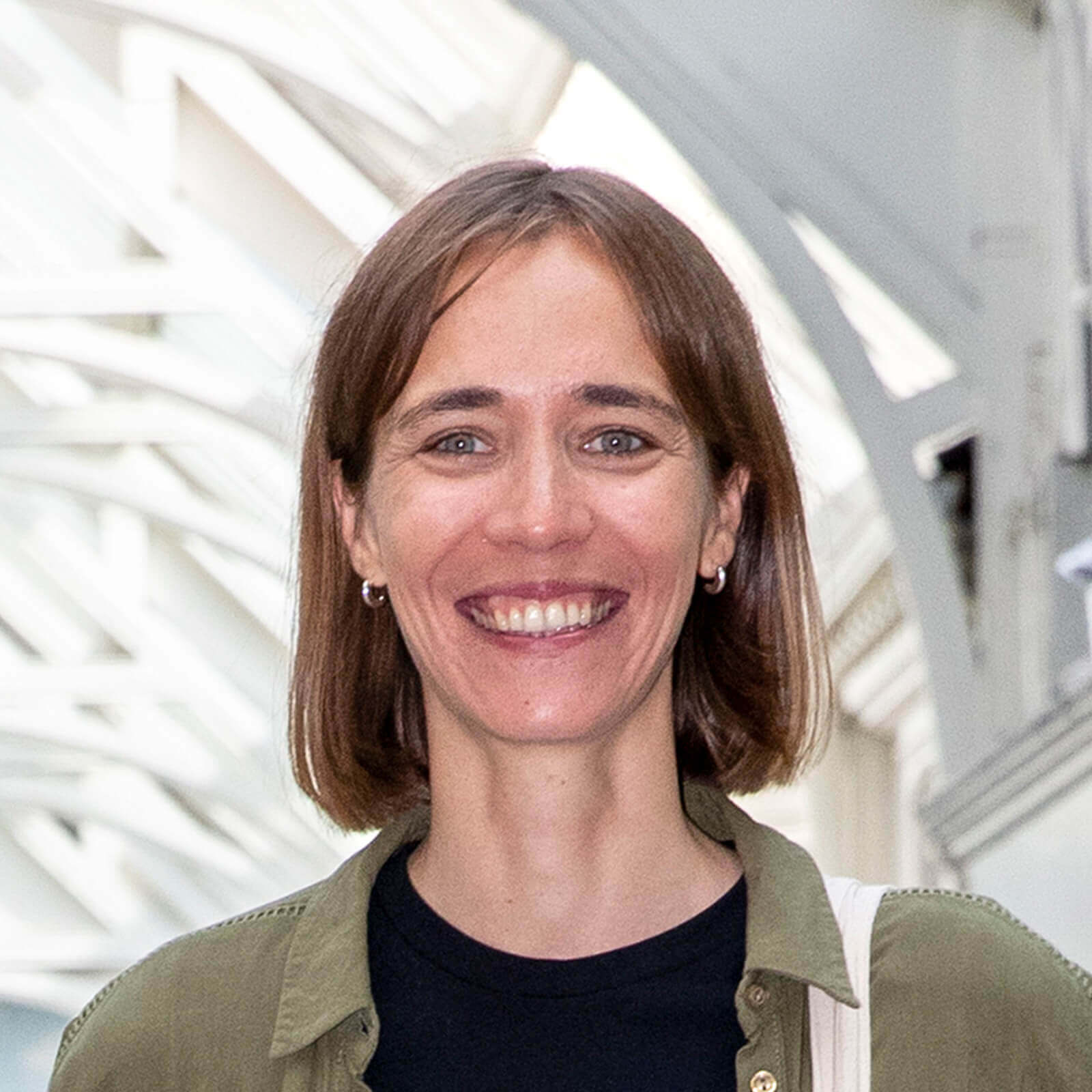
Magpie’s Director of Behavioural Insights, Dr Julie Van de Vyver says;
Whether navigating executive function variations, sensory processing sensitivities, health conditions, or caregiving demands, high performance looks differently for everyone and does not always align with a traditional 9-to-5 schedule. We therefore support asynchronous workflows, quiet focus blocks, and adaptable hours.
Dr Julie Van de Vyver
The five well-established fundamentals of neurodivergent inclusion that we embed into our workplace culture and processes are: (1) psychological safety, (2) sensory-inclusion, (3) autonomy, (4) flexibility, and (4) (clear, direct, and proactive) communication.
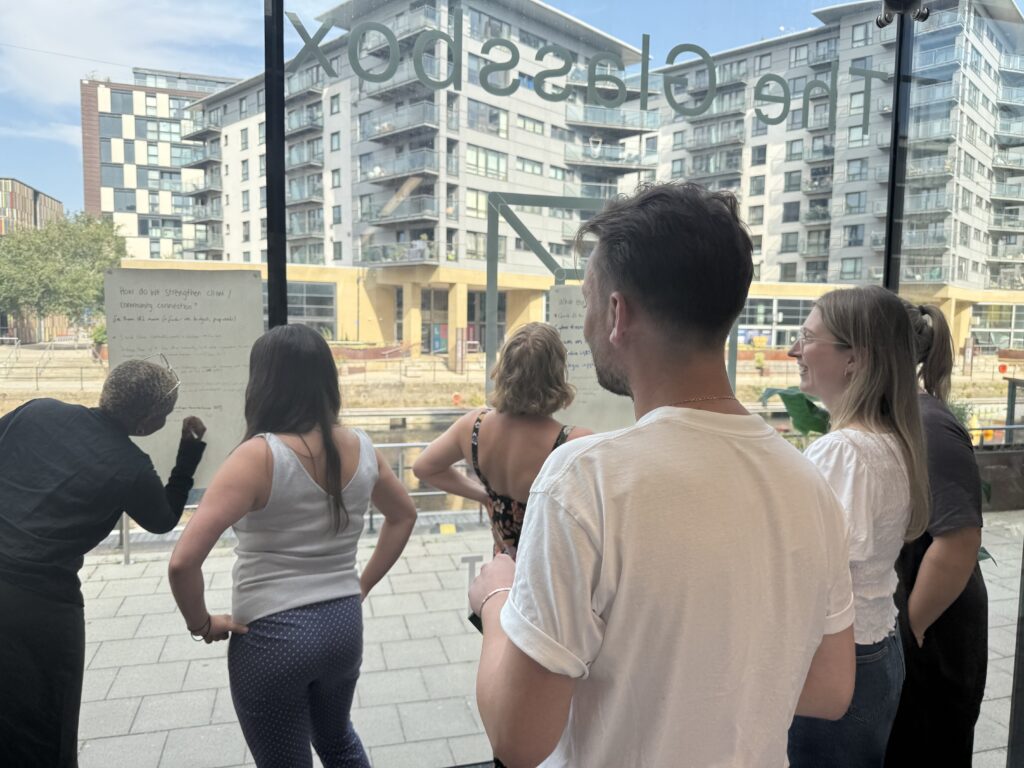
How important is the community in the workplace in creating an inclusive culture?
It’s huge. We all need a sense of belonging. In the workplace, to do our best work we need psychological security. Through our work as a behavioural insights and campaigns agency, we know that it takes empathy and understanding to build confidence to change behaviour. Workplace culture involves changing and adapting all the time, and without a sense of belonging and feeling of confidence, that’s incredibly tough.
For us too, a strong workplace community gives that sense of support. We tackle some challenging social topics such as increasing cancer screening uptake or reducing gender-based violence so being around a supportive community helps make it a whole lot easier.
Are there particular aspects of working from Department at Leeds Dock that help your team connect, collaborate or feel part of something?
We’re lucky to have such great neighbours, for a start! And there are so many others we’re keen to get to know (that’s an open invite to visit us on the second floor!)
Although we haven’t yet had the opportunity to enjoy a film evening with the whole team in the cinema room, we’ve got big plans to make use of this amazing space with lots of our clients and community partners. We regularly host talks and workshops and think we could open this up to the Department community with the facilities on offer.
Having a base in Leeds Dock, the creative heart of our city, has reignited our love for the region; we’re having regular Walk and Talk meetings around the dock and taking full advantage of all the amazing coffee and lunch spots on our doorstep (shout out to Fearns, the hot honey chicken really hits the spot).
Was your recent LGBTQ+ panel and ‘Joy to the Work’ event around mental health hosted at Department at Leeds Dock?
No, it was before we moved in.
From this panel and event, what have you learned about what employees actually need to feel included and supported at work – and how does the workplace environment contribute to that?
Creating opportunities for our team to shine and to pursue their passions as part of their work is core to our success at Magpie, and that requires trust in colleagues – to be allowed the space and grace to do what they do best. It’s what keeps our approach to the work rooted in authenticity; it’s driven by real life and lived experience.
Within our working culture we bring clients, community leaders, panels and team members together for creative retreats, ideation sessions, talks, hacks and knowledge transfer. Having an agile workplace with different zones, rooms and areas contributes to us being able to include and support everyone.
Our workplace environment also needs to allow different disciplines and working traits to thrive. For example, researchers often need quiet focus spaces, our creatives need collaborative breakouts, and client teams need spaces that enable strong partnership building and community collaboration. The Department working environment gives us this under one roof.
For everyone to feel included and supported, we work on the basis of individual needs assessments, business needs and organisational culture, constantly reviewing and ensuring these aspects all work together. Recognising burnout patterns, championing hybrid and flexible working styles and applying continuous improvement to our internal communications and connection touch points ensures we create a culture of openness, transparency and empowerment. We regularly and actively invite opportunities for improvement, and better ways of working and capture these ideas during team activities such as All In Days, Show and Share sessions and Vision Days.
For everyone to feel included and supported, we work on the basis of a human-centred ethos. Empathy, connection, and a shared commitment to social impact come first, supported by solid foundations for people to thrive, be motivated, and bring their best. This foundation spans: personalised and flexible working, open communication and active partnership across and between teams, and continuous opportunities for learning, development, and social connection.
Contributions from:
Ged Savva and Becky Dam, Founders
Dr Julie Van de Vyver. Director of Behavioural Insights
Christopher Hulme, Partnerships Manager and LGBTQ+ Consultant

Get in touch
We’re in a time and place where it’s never been more important to show support for under represented communities. If you’d like to find out more about Magpie please email hello@wearemagpie.com.
Contact us