Conversations around vaccine hesitancy can be complex. In a landscape of strong opinion, misinformation and noise, the challenge for public health is no longer just a matter of clinical delivery, it is a matter of human connection.
It’s important to point out our intention is never to enforce a particular behaviour. Our projects are built on compassion, empathy, understanding as well as respecting ‘choice’. Our role is to better support informed decision making.
Bridging vaccine and immunisation hesitancy
The 5Cs framework (Cornelia Betsch et al, 2018) can be used to bridge both vaccine and immunisation hesitancy:
- Confidence: Trust in the vaccine and the provider (Addresses Vaccine Hesitancy).
- Complacency: Low perceived risk of the disease (Addresses the “Why bother?” mindset).
- Convenience: Physical availability, affordability, and geographical accessibility (Addresses Immunisation/Process barriers).
- Communication: How the information is shared.
- Calculation: The individual’s “risk vs. benefit” assessment.
At Magpie, we lead with Communication (C4) and behavioural design to positively impact on Confidence (C1), Complacency (C2) and Calculation (C5). We also apply research to influence strategies for Convenience (C3). By blending deep behavioural insight with creative thinking, we don’t just deliver messages; we build bridges.
Our work in population-level intervention has shown that to move the needle on vaccine and immunisation outcomes, we need to balance national messaging with hyper-local application, cultural context and empathetic design.
The power of community
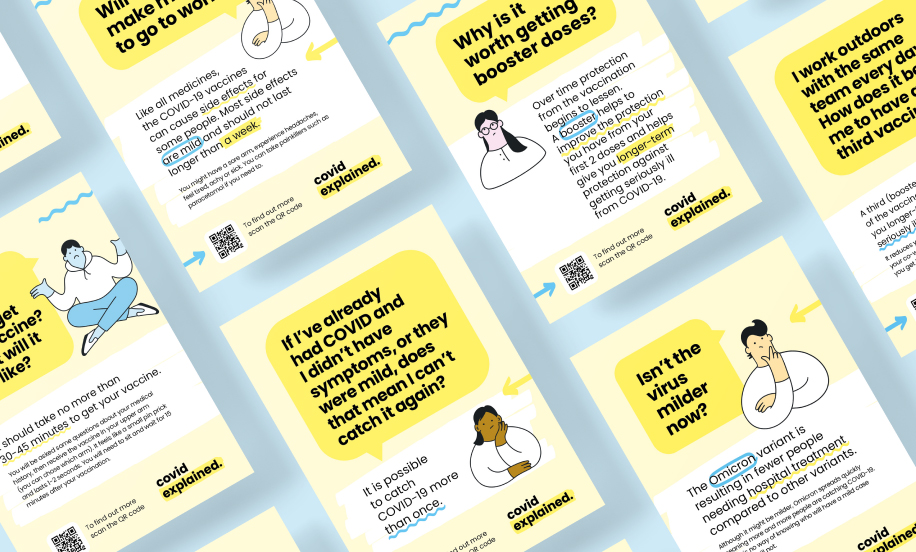
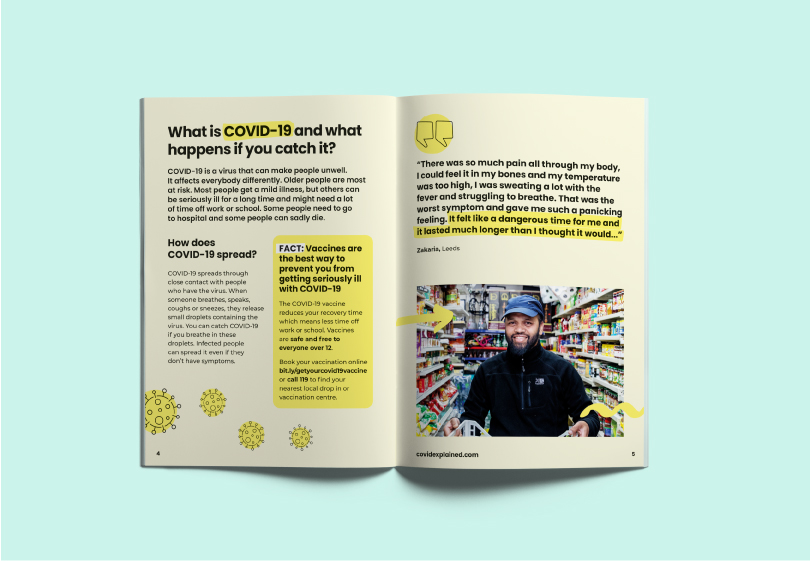
Expertise is most effective when it is grounded in real-world understanding. During the pandemic, we co-created ‘Covid Explained’ with populations across Yorkshire and Humber. This behavioural intervention achieved an 11% increase in vaccine confidence.
By shifting the narrative from individual risk to collective care, the intervention also increased agreement with the statement ‘getting the COVID-19 vaccine protects my community’ from 67% to 78%. This wasn’t just a statistic; it was a testament to the fact that when people see themselves as part of a protective circle, they are inspired to act.
Designing for inclusivity
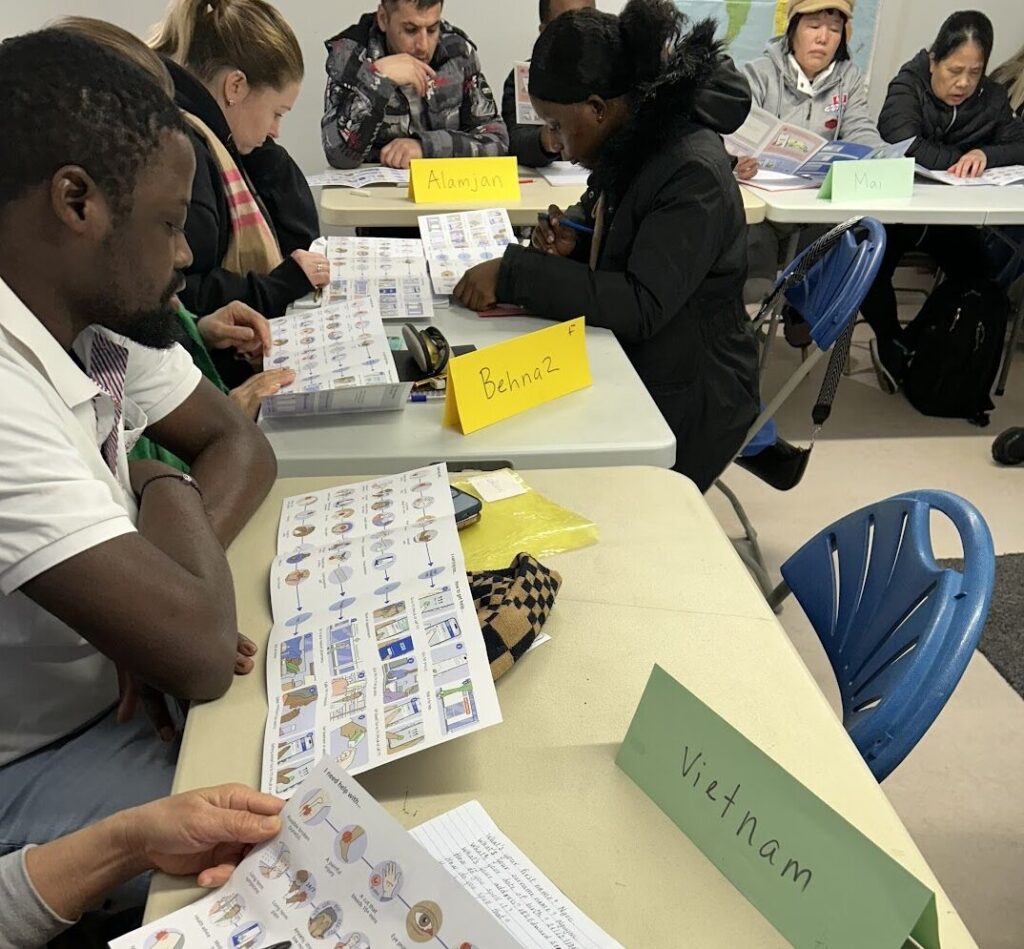
Our research highlights where equitable communications strategies have the power to create lasting impact. Here are just three examples from our insight library:
- Maternal health: Expectant mothers are often bombarded with conflicting advice. We have successfully focused our strategies on the ‘influencer circle’, not just the mum-to-be, but the midwives, partners, friends and in-laws who provide the emotional scaffolding for her decisions.
- Older male audiences: Men aged 65+ value reliability and ‘no-nonsense’ clarity above all else. Digital efforts are most powerful when anchored by high-trust offline touch points. This means moving beyond the screen and into the social fabric of daily lives: placing adverts in local door-drop magazines, utilising direct mail, and showing up in social spaces like social clubs, pubs, local shops, cafes, and even on public transport. We also recognise the power of the ‘influencer circle’; often, the most effective digital ‘nudge’ is best targeted towards a partner or child who shares the information.
- Bridging the deprivation gap: We cannot ignore that those in the most deprived areas are often the least likely to be vaccinated. This isn’t a lack of will; it’s often related to mistrust and lack of access. Our response must be tailored: working with community influencers, adopting peer-to-peer delivery methods, pop-up sites, and community-led activities that bring the solution to the doorstep.
Beyond translation: Understanding the ‘why’
In our work on MMR (Measles, Mumps, and Rubella) uptake in Hull, we looked past the surface to understand why different communities might hesitate.
- For Romanian families, we found that vaccines were simply not a “hot topic,” hindered by a lack of promotion and health worker knowledge.
- In Polish communities, the barrier was a low belief in systemic support and the influence of conspiracy theories.
- Among Iraqi Kurds, the echoes of past conflict led to a lack of awareness that these life-saving vaccines are entirely free in the UK.
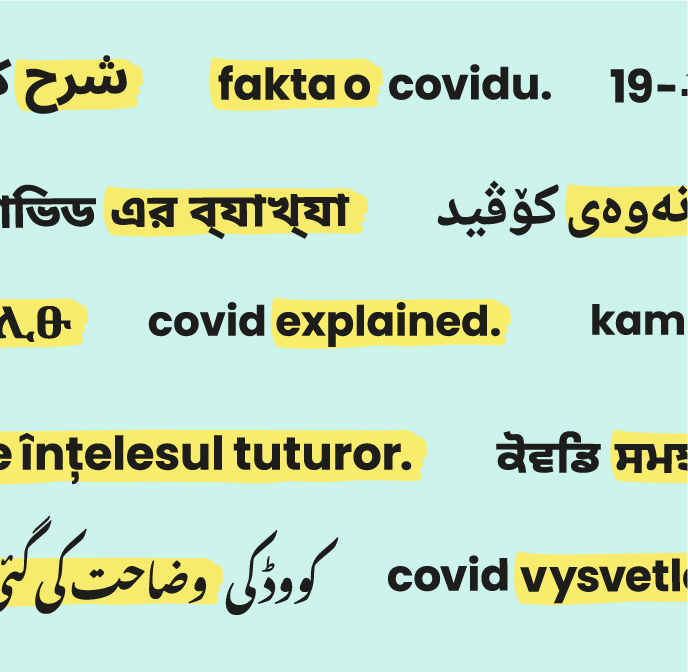
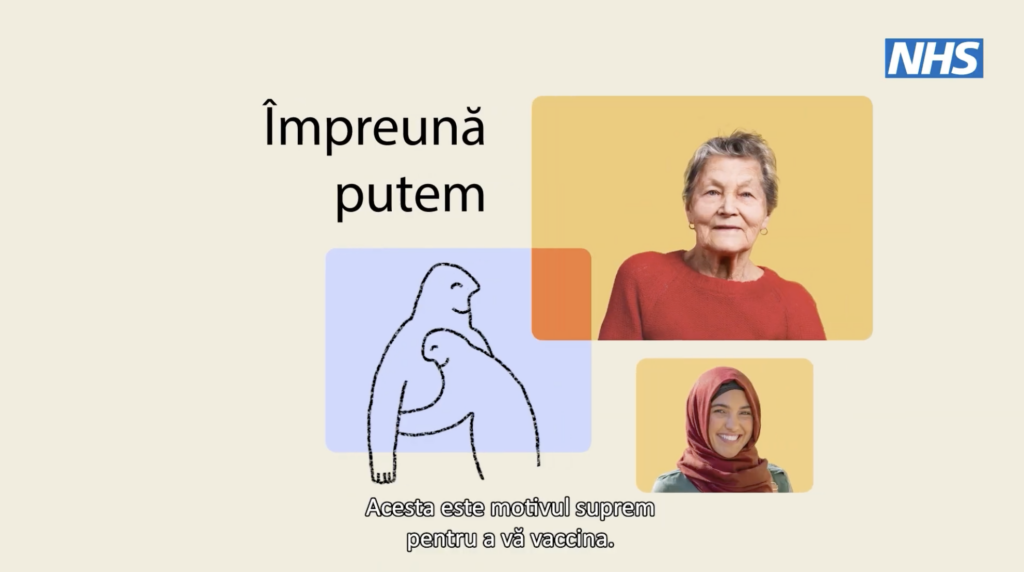
We didn’t just translate leaflets; we created tailored strategies, animated stories in four languages. These weren’t just informative; they were accessible, warm, and designed to address specific fears. We found that while Meta (Facebook/Instagram) was a powerhouse for driving traffic (achieving a cost-per-click of just £0.22, nearly half the platform average), some communities (like our Polish audience) required a more nuanced, offline approaches to truly dismantle deep-rooted distrust.
Budgeting for a multi-strand strategy (online and offline) is essential for equity and impact. However, where budgets remain a challenge, a lot can be learnt through smaller pilots that can prove the case for future funding.
Five behavioural design tips for vaccine and immunisation confidence
1: The ‘protective circle’ effect
When people see themselves as part of a collective safety net rather than just an individual recipient, they are more inspired to act. Our Covid-19 intervention proved that shifting the narrative toward community protection can increase confidence by as much as 11%, turning a medical choice into a shared act of guardianship.
2: Language is an entry point, but culture is the key
Translation alone is insufficient for high-barrier communities. Effective behavioural design requires uncovering the specific “why” behind the silence, whether it is the echoes of conflict (Kurdish), a lack of institutional promotion (Romanian), or the influence of alternative narratives (Polish). Messaging must be culturally resonant, not just linguistically accurate.
3: Credibility is proximity-based
Trust is built through the ‘influencer circle’ rather than the institution alone. For maternal health, this means engaging the partners, midwives, friends and in-laws who provide the emotional scaffolding for decisions. For older males, it means using reliable, straightforward channels like Facebook and YouTube that respect their need for clear, no-nonsense navigation.
4: Digital drives traffic, but dialogue dismantles distrust
While digital platforms like Meta are incredibly cost-effective for reaching and driving web traffic (achieving a CPC of £0.22), they can also act as lightning rods for negative sentiment. High levels of digital resistance are a signal that offline, face-to-face community engagement is required to bridge the trust gap where an algorithm cannot.
5: Accessibility is an act of inclusion
Uptake is often hindered by ‘friction’ rather than ‘refusal’. By acknowledging that certain groups, such as those with learning disabilities or those in high-deprivation areas, face greater logistical hurdles, we must design for radical convenience. Mobile clinics, peer-to-peer intervention, and pop-up sites aren’t just logistical tools; they are enablers that meet people where they are and signal “this is for you.”
By combining the clarity of behavioural science with creativity, we can support strategies to inform decision making and improve vaccine and immunisation confidence.
Let’s connect…
Get in touch if you are planning a project to improve vaccine and immunisation confidence, looking for consultancy on your approach or if you would like to share your learnings with us.
Contact Us