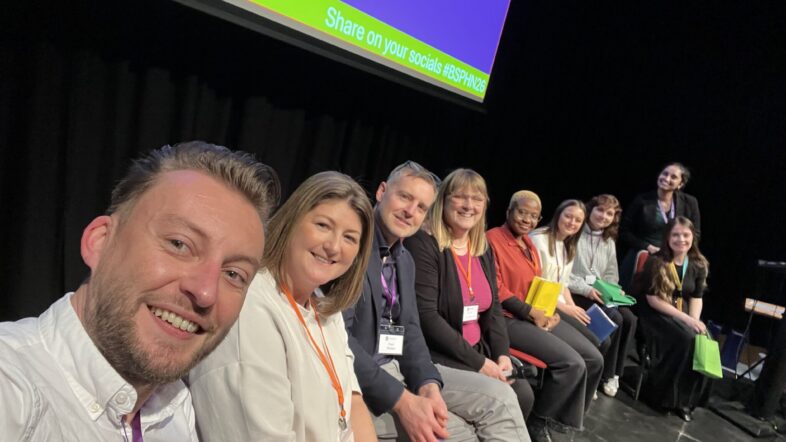
Fresh from our favourite behavioural science event, the BSPHN annual conference, our team has returned with a sharpened perspective on the behavioural drivers set to redefine outcomes this year. In an era where ‘information’ is abundant but ‘impact’ remains elusive, the insights shared by UK leading behavioural scientists and practitioners acted as a refreshing, challenging, and deeply human look at how we drive change in an increasingly complex world.
“We’re not here to describe, we’re here to make change.” This resonated deeply with our mission. We don’t just want to understand why people do what they do; we want to help create the world that inspires better choices. Here are our top five takeaways…
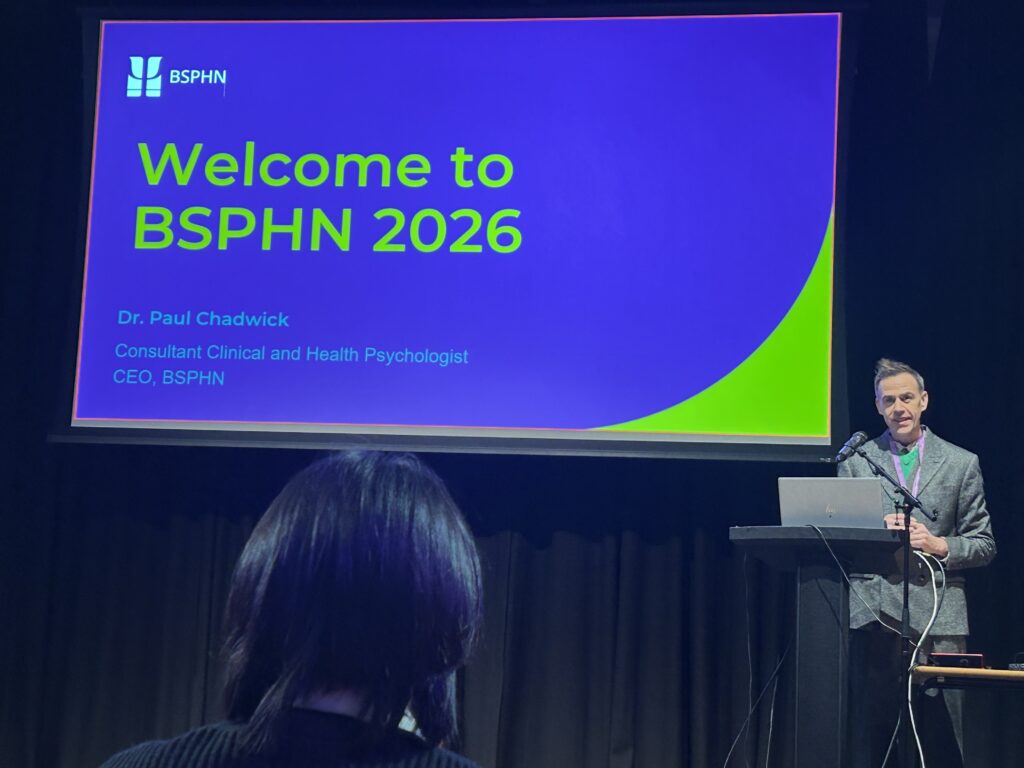
1. The four pillars of radical change
In his keynote, Paul Chadwick outlined how we move beyond traditional, clinical models of behaviour. To create real impact, we must lean into:
Reflexivity: Looking inward at our own biases. How do we perceive the challenge, and how does that shape the solution?
Pluralism: Recognising that individuals and systems are interdependent. You cannot fix one without addressing the other.
Creativity: This isn’t the “opposite” of science; it is the catalyst that makes science work in the real world.
Community: Solutions must be with people, not on them. Local challenges require local expertise.
2. Systems thinking: The environment is the architect
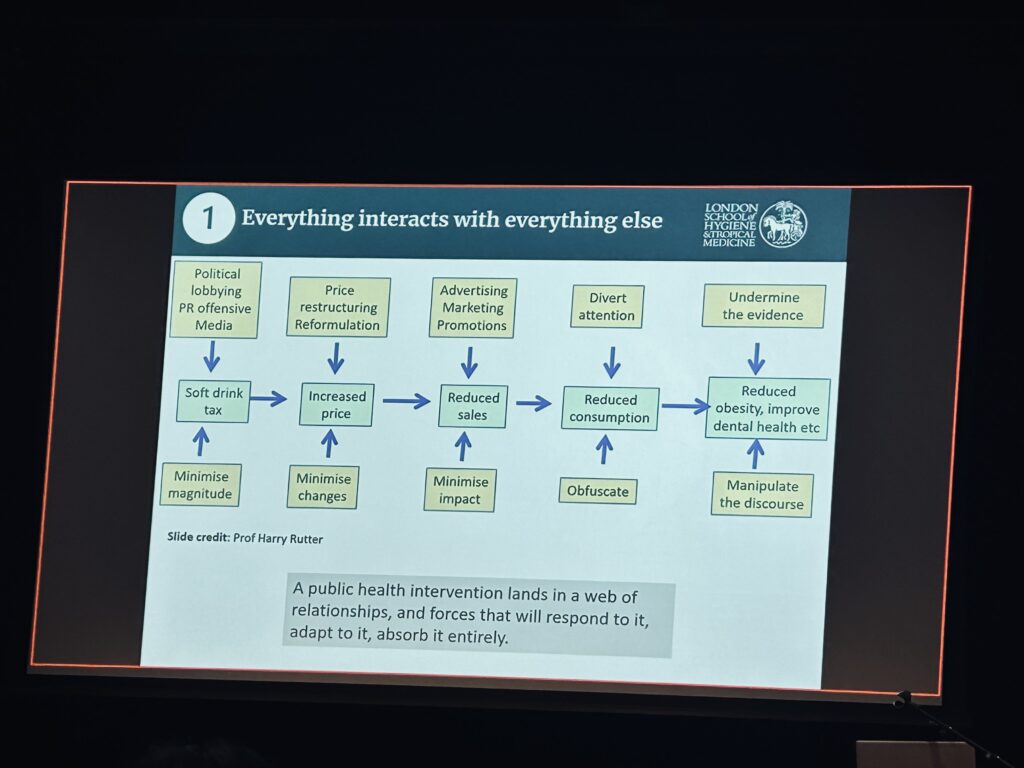
We often talk about “individual choice,” but Professor Cecile Knai reminded us that the food environment, dominated by commercial interests, is actually “working perfectly,” just not for us. Whether it’s the density of vape shops or the omnipresence of ultra-processed foods, our environment shapes our “norms.”
Our take: We often use tools like COM-B to show that our campaigns are part of a larger ecosystem. To change behaviour at scale, we must advocate for changing the environment through better regulation and by reminding ourselves of the strength of the systems that we have access to (for example mapping and celebrating the potential power of VCFSE systems or education systems to drive change further upstream).
3. Action over “research for research’s sake”
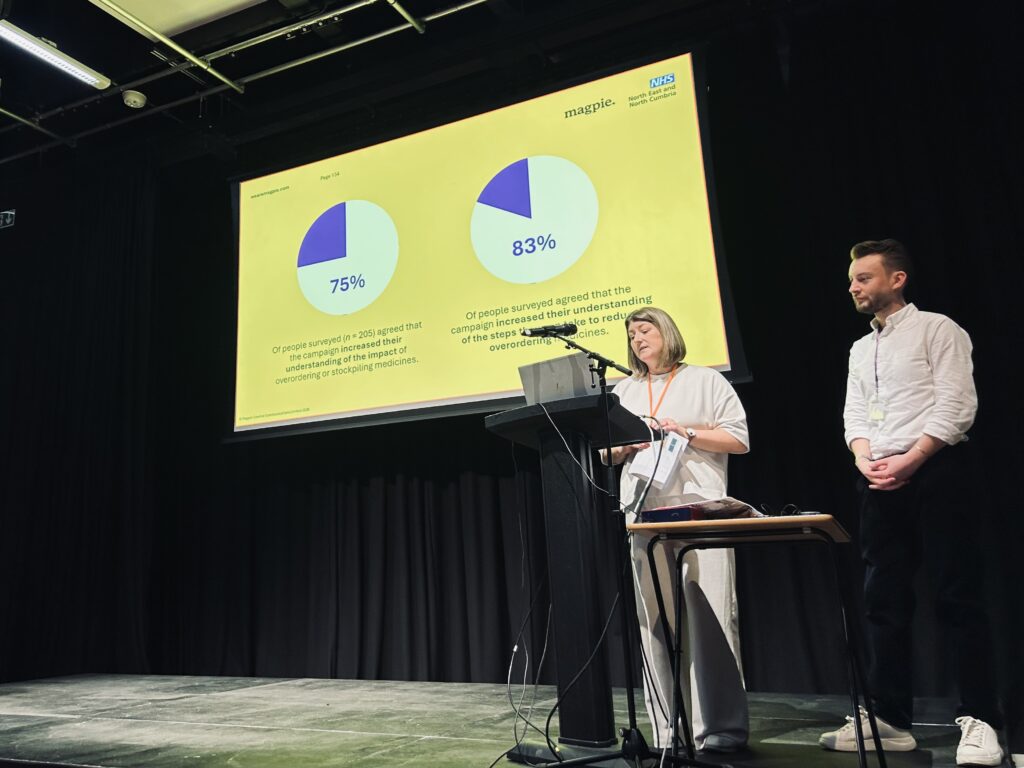
A major theme this year was the value of momentum. While data is vital, the value of action is much needed. We are exploring how to lean into more ‘pilot’ social experiments or smaller, agile tests that allow us to learn in real-time before launching full-scale campaigns. We want to spend less time describing the problem and more time starting the solution.
Our take: We are also reminded to “put pencil to paper” and begin to illustrate what we want to make happen more often as we are in a time where words are in abundance. Here at Magpie, we have always been advocates of pilots, ‘test and learn’ methods and creative techniques to articulate either what the research represents or strategies for taking existing research into creative intervention.
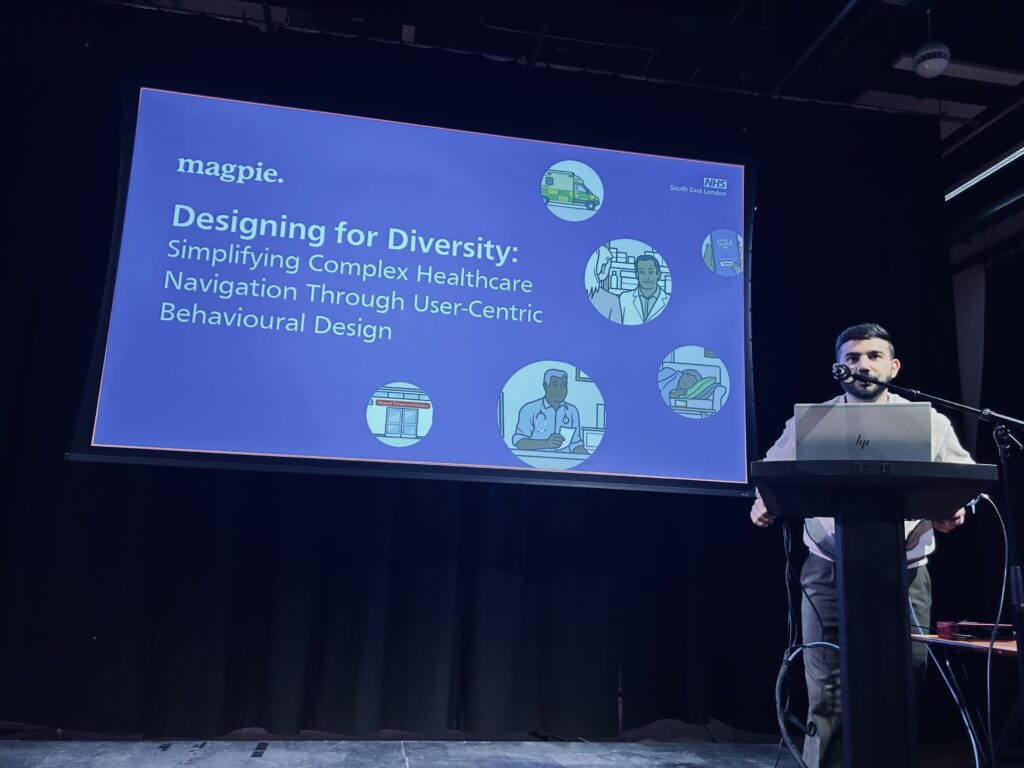
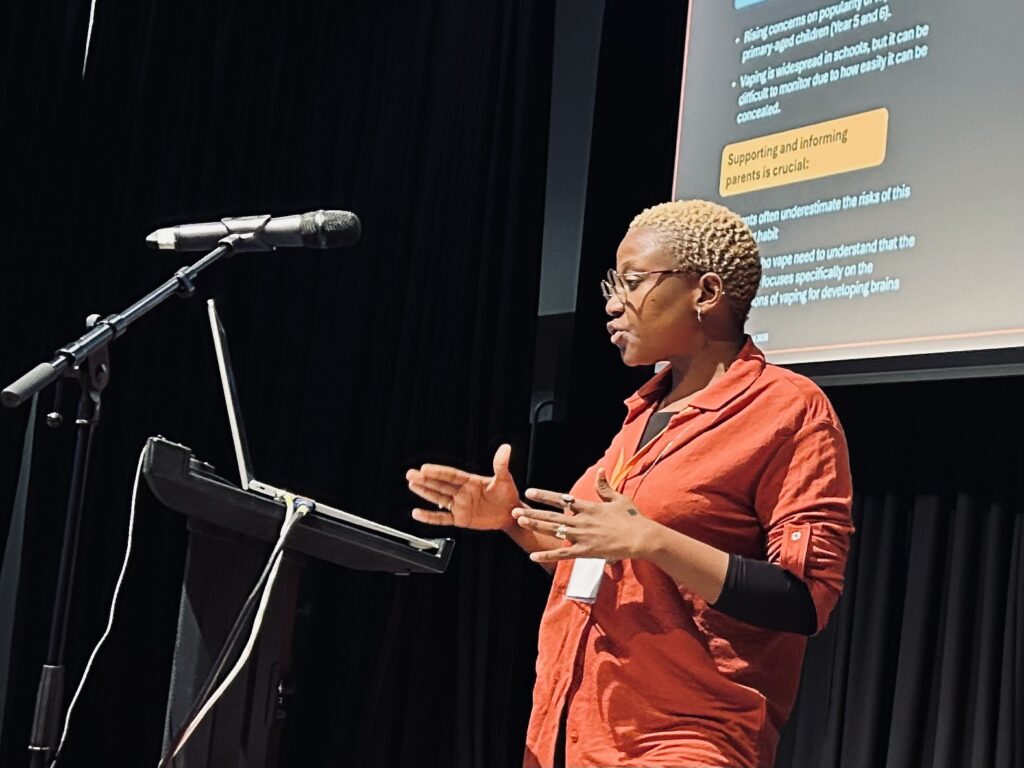
4. Choosing ‘joy’ over ‘worthiness’
Given how hard we all work and how complex behavioural challenges are, this is a vital reminder that we need to remain motivated – more moments of ‘joy’ to counteract the bureaucratic barriers. Public health often focuses on reducing harm, but does that have to mean reducing joy? In a world where people are often triggered by anger, we believe there is a competitive advantage in kindness and care.
The ‘joy’ gap: As a creative agency, we have the power to make healthy behaviours aspirational and joyful rather than ‘worthy’ and dull.
Shared experiences: Despite growing online connectivity, the rise in festival and gig attendance shows a hunger for IRL (in real life) connection. We are looking at how to create more ‘collective campaign moments’ that tap into this need for synchronicity.
5. Art as universal language
Our Senior Researcher, Mirela Neto, reflected on the vulnerability required to truly connect with others. In academically heavy spaces, it’s easy to forget that art is a language we all speak. Science tells us what to change; the arts help show us how.
Our take: When we are true to the personal, we are true to the universal. By integrating creative arts into our research methods, we can unlock tangible new ways to understand the human experience that a standard survey simply can’t reach.
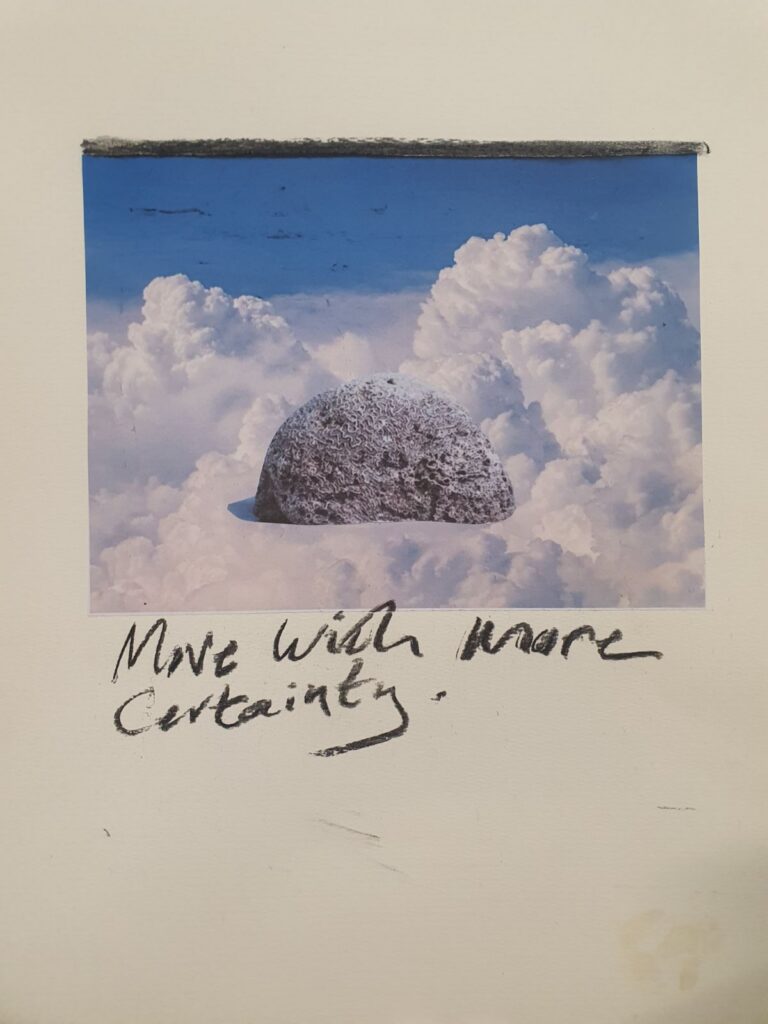
Creative Arts and Behaviour Change: Lydia Towsey (Leicestershire Partnership NHS Trust) led fun, hands-on sessions and interjections exploring how creativity and the arts can support positive personal change. Through writing, art and poetry, Lydia and the team at WORD helped set goals, explore solutions, capture learnings, and build personal insight and wellbeing. This is a photo of artwork created by Lydia’s team based on a poem by our Senior Researcher, Mirela. This inspiring work added texture and soul to the event.
Final thought
We left the conference with a renewed sense of purpose: to be “starters.” We are committed to challenging received wisdom and ensuring that the insights we gather are always put to work for real lives in the real world. Because, as Professor Jim McManus reminded us “In every kindness, there is reward.”
Interested in how we can apply the latest in behavioural science to your next brief?
Reach out to the Magpie team today to discuss how these five pillars can transform your strategy from theory into action.
Get in touch