At Magpie, we’re launching a new series exploring what we’ve learned from co-creating behaviour change campaigns with children and young people. Drawing on our experience in youth engagement, behavioural insight, and creative communication, we’ll share how genuine listening and collaboration lead to interventions that truly resonate — and create lasting social impact.
As a creative behaviour change agency, specialising in designing behavioural interventions and campaigns, we develop human-centred strategies designed to influence thoughts, motivations, and actions, promoting positive behaviours in different communities.
Through our work we have found that creating effective and long-lasting campaigns that truly resonate with children and young people is one of the most complex challenges faced by many of our clients working for social good. From navigating how best to engage schools, to ensuring that diverse young voices are represented, the path is rarely straightforward and the questions are constant and pressing:
- How do we create something authentic to their lived experiences?
- How do we reach young people in underserved communities?
- Who are the trusted figures that can build rapport and create safe spaces for young people to share their stories?
These are the questions and concerns we will explore in this series: sharing insights into our unique approach, unpacking strategies that work and why they work, and learning from frontline experts. Most importantly, and staying true to the heart of our ethos, we will be hearing directly from young people themselves.
How Magpie co-creates with children and young people
Our work with children and young people begins with a simple but profound belief: listening is not an afterthought; it is the foundation of change. The only way to create lasting impact on the issues that affect our diverse young community is by amplifying their voices and tuning in to their frequency.
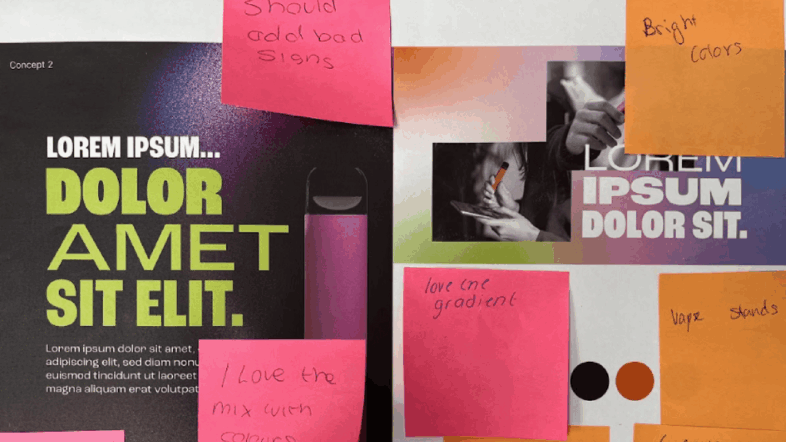
In recent years, we at Magpie have been privileged to work alongside children and young people from all walks of life — actively listening to them and co-creating around the issues that shape their everyday experiences. Together, we’ve helped girls in Cardiff build confidence and challenge gender bias in sport; fostered compassion for animals and the natural world in partnership with the RSPCA; strengthened young people’s ability to sustain healthy, respectful relationships and prevent sexual violence with Leicestershire Police; and are currently working to reduce harmful habits such as smoking and vaping in collaboration with Tameside Metropolitan Borough Council. As catalysts of our future, children and young people are at the heart of much of our research and campaigns, and we recognise the weight of this responsibility, knowing that the outcomes of these collaborations hold the power to shape not only young people’s lives, but the trajectory of our societies. This is a position we don’t take lightly. That’s why we make a conscious effort to show children and young people that we are listening and that we are determined to do right by them.
Too often in research practice, children and young people have been treated as passive recipients of guidance, rather than as active partners in shaping solutions. In our role as bridges for youth voices, we are committed to undoing these outdated mechanisms and to treat young people as active agents, capable of defining their own experiences, shaping their own identities, and taking ownership of their lives. We often find that behavioural interventions and research targeting younger audiences are shaped by assumptions about their thoughts, feelings, and experiences. Lacking the contextual understanding, overlooking age-specific nuances, and failing to demonstrate that decisions are made with this audience, not for them. This approach can fuel youth anxiety, as many may feel that they don’t have access to safe avenues to speak up, that their thoughts and opinions don’t truly matter, that those who are meant to protect them are not really listening, which ultimately results in campaigns and social interventions that fall short because they do not resonate with their audience’s realities.
We have chosen to take a different approach. When engaging with a younger audience in our research, we are committed to listening – moving away from tokenistic inclusion and placing their authentic voices front and center stage. We want to show that we recognise their value and time for collaborative and purposeful exploration, not imposing and not exploitative. At the core of this approach is trust building: showing children and young people that we care and that what they have to say matters.
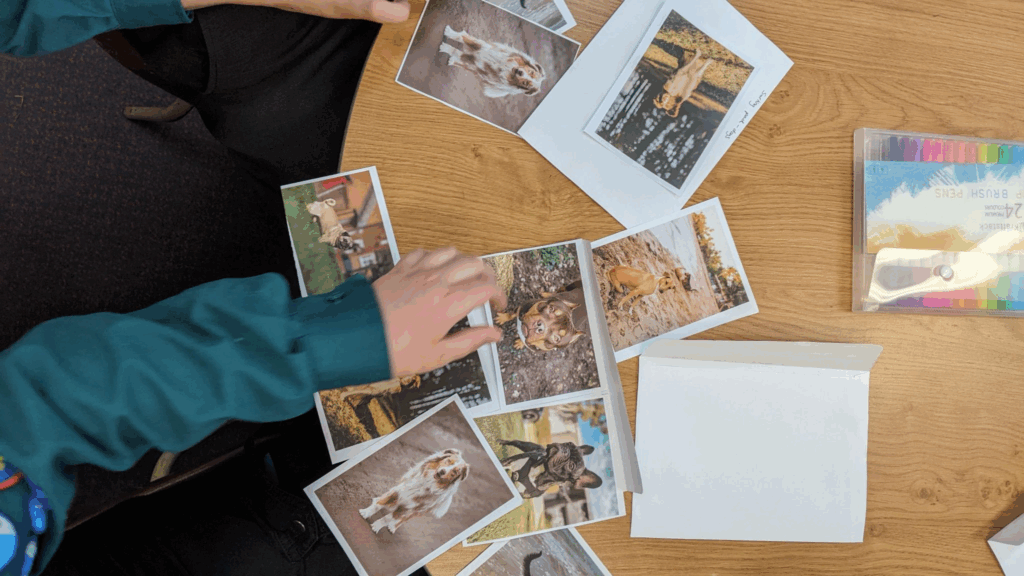
Our primary strategy for helping children and young people feel truly seen and heard is to build a strong foundation of full and informed consent. This is critical not only because of the ethical responsibility we hold when working with a group that may feel pressured to agree to authority figures, but also because genuine choice is the cornerstone of trust. When young people know their decisions are truly their own, they are far more likely to engage openly and honestly. This sense of agency gives them the freedom to move and express themselves authentically, share ideas with confidence, and even find joy in the research process, all of which lead to richer insights with lasting impact. Another transformative factor when working with this age group is involving someone they trust and feel comfortable with to help navigate the research process alongside them, this could be a school counsellor or a student ambassador. Equally important is equipping young people with the tools to lead sessions and guide conversations in directions that matter to them, rather than imposing an external agenda. In our role, we facilitate, we do not direct, and that is how we make change happen.
In this series, we will take a closer look at these strategies, unpacking the nuances of ensuring the safety and integrity of different groups of children and young people in research, understanding what tools amplify young people’s voices, and exploring creative, interactive, and personalised approaches to co-creation sessions and focus groups. Our goal is to build on the knowledge we have gained to spark dialogue on best practices for engaging younger audiences, while continually seeking new solutions to real-world problems alongside this critical age group.
We would love to hear your thoughts on approaches to working with children and young people, so get in touch with us to learn more and share your perspectives. By opening conversations with fellow changemakers about how we engage youth on social issues, we can help make young people’s lives better.